



10 Common Sauce Mistakes Chefs Make (and How to Fix Them)
June 24, 2025
6 Proven Ways to Reduce Food Waste in Restaurants and Save Money
June 25, 2025
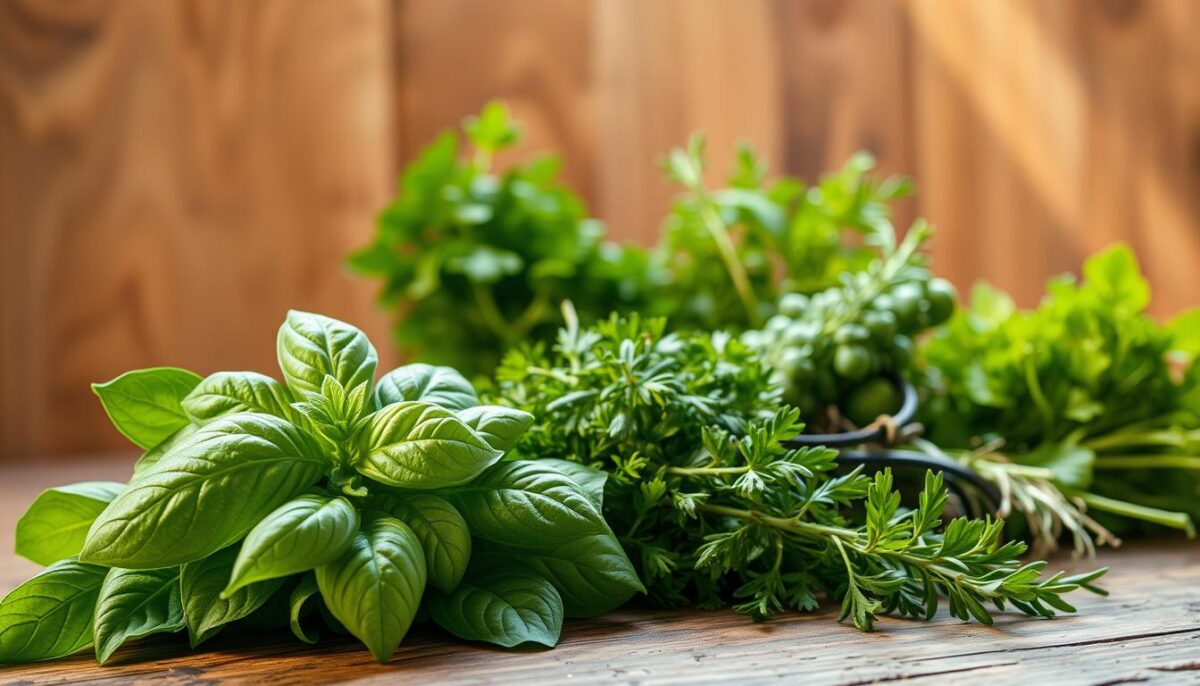
I still remember the frustration of watching a batch of fresh herbs wilt away in our commercial kitchen. It’s a common issue many chefs face, and it not only wastes valuable ingredients but also affects the quality of our dishes.
A recent study revealed that nearly 30% of herbs are discarded due to improper storage, resulting in significant financial losses for restaurants. To combat this, professional chefs employ specific methods and tips to maintain the freshness of their herbs.
By understanding the factors that cause herbs to spoil, such as excessive moisture, sunlight, temperature fluctuations, and oxygen exposure, chefs can take proactive steps to preserve them. In this article, we’ll explore the techniques used by professionals to keep their fresh herbs vibrant and flavorful for longer.
Key Takeaways
- Understand the common factors that cause herbs to spoil.
- Learn professional techniques for storing herbs.
- Discover methods to maintain the freshness and flavor of herbs.
- Explore tips for preserving the visual appeal of herbs.
- Apply these techniques in your commercial kitchen to reduce waste.
Understanding Different Types of Herbs in Professional Kitchens
In professional kitchens, understanding the different types of herbs is crucial for maintaining their freshness. Herbs are typically categorized into two main types: tender and hardy. This distinction is vital for determining the appropriate storage methods to achieve the perfect balance of light, oxygen, temperature, and moisture.
Tender Herbs vs. Hardy Herbs
Tender herbs, such as basil, cilantro, mint, and parsley, have soft, leafy leaves and flexible stems. On the other hand, hardy herbs like thyme and rosemary have firmer leaves and woody stems. Understanding the difference between these two categories is essential for proper storage and handling.
Common Herbs Used in Commercial Cooking
Commercial kitchens frequently use a variety of herbs, including tender herbs like dill and chives, and hardy herbs such as sage, oregano, and marjoram. Knowing the characteristics of these herbs helps chefs select the most appropriate storage methods, ensuring maximum freshness and longevity.
The Professional Chef’s Approach to Herb Preparation
To keep herbs fresh, chefs follow a specific preparation process that involves careful washing and drying. This process is crucial in maintaining the quality and longevity of the herbs.
Proper Washing Techniques
Washing herbs is the first critical step in their preparation. It’s essential to use cold water to remove dirt and decay-causing bacteria. I soak the herbs in a deep bowl of cold water, allowing the dirt to settle at the bottom. Then, I gently gather them by hand to prevent re-contamination. This method ensures that the herbs are thoroughly cleaned without causing damage.
Effective Drying Methods in Busy Kitchens
After washing, drying the herbs is crucial to prevent moisture from causing them to wilt or decay. I use a clean towel to dry delicate herbs, gently patting them dry. For hardier varieties, a salad spinner is an efficient tool to remove excess moisture. It’s also useful to have paper towels on hand to absorb any remaining moisture. Proper drying techniques help maintain the freshness of the herbs.
| Drying Method | Herb Type | Benefits |
|---|---|---|
| Clean Towel | Delicate Herbs | Gentle on herbs, effective for small quantities |
| Salad Spinner | Hardy Herbs | Efficient, removes excess moisture quickly |
| Paper Towels | All Herbs | Absorbs moisture, easy to use |
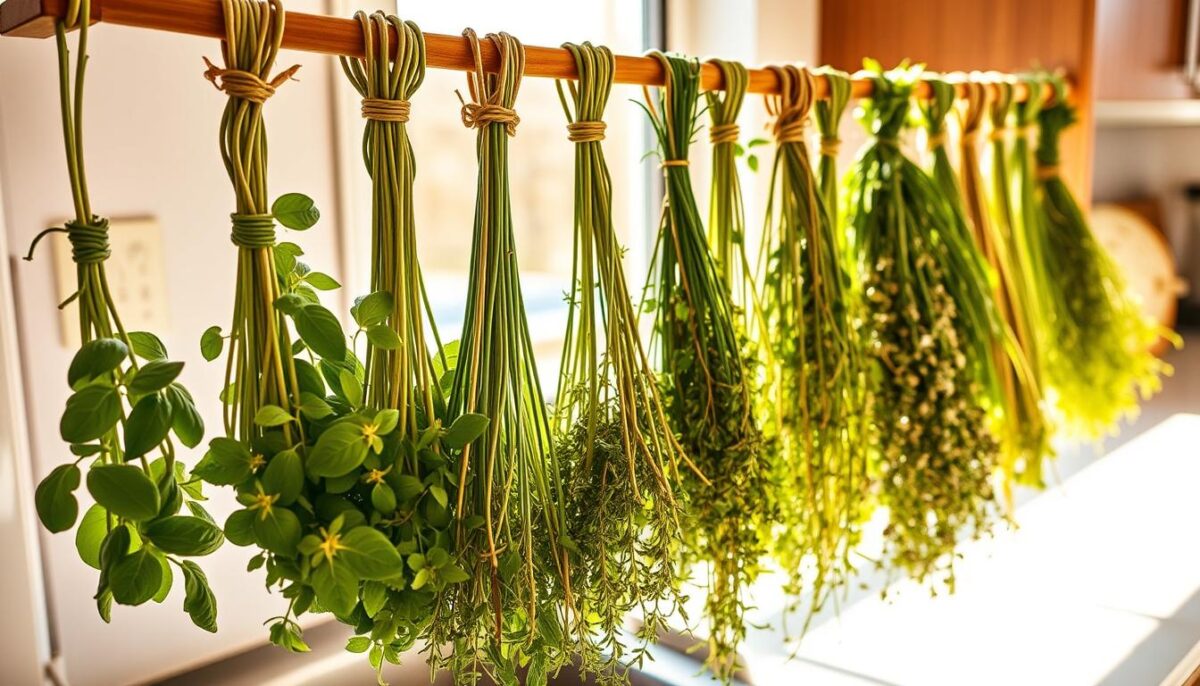
By following these steps, chefs can ensure that their herbs remain fresh for a longer period, enhancing the quality of their dishes.
How to Keep Herbs Fresh in Commercial Kitchens
To ensure herbs remain fresh and flavorful, commercial kitchens utilize a couple of key techniques. The freshness of herbs is crucial for the quality of dishes prepared in these kitchens.
The Water Jar Method for Tender Herbs
Tender herbs like parsley, cilantro, dill, basil, and mint require special care. To keep them fresh, I use the water jar method. This involves filling a jar with cool water, trimming the stems of the herbs at an angle, and placing them in the jar. It’s essential to change the water every couple of days to prevent discoloration. For most herbs, storing them in the refrigerator with a loose lid helps retain moisture. However, basil is an exception and is best kept at room temperature to avoid blackening its leaves.
The Damp Paper Towel Technique for Hardy Herbs
Hardy herbs, on the other hand, require a different approach. Instead of placing them in water, I wrap them loosely in a damp paper towel and store them in an airtight container in the refrigerator’s crisper. This method keeps the herbs moist without causing them to decay. The airtight container prevents oxygen from browning the leaves, thus extending their freshness.
| Herb Type | Storage Method | Storage Location |
|---|---|---|
| Tender Herbs (parsley, cilantro, basil) | Water Jar Method | Refrigerator (except basil, which is stored at room temperature) |
| Hardy Herbs (rosemary, thyme) | Damp Paper Towel Technique | Refrigerator’s Crisper |
By implementing these techniques, commercial kitchens can significantly extend the freshness of their herbs, ensuring that dishes are always prepared with the highest quality ingredients.
Commercial Storage Solutions for Maximum Freshness
The key to preserving the flavor and aroma of herbs lies in the storage methods used in commercial kitchens. Proper storage is crucial for maintaining the quality of herbs, and commercial kitchens use specialized storage solutions to achieve this.
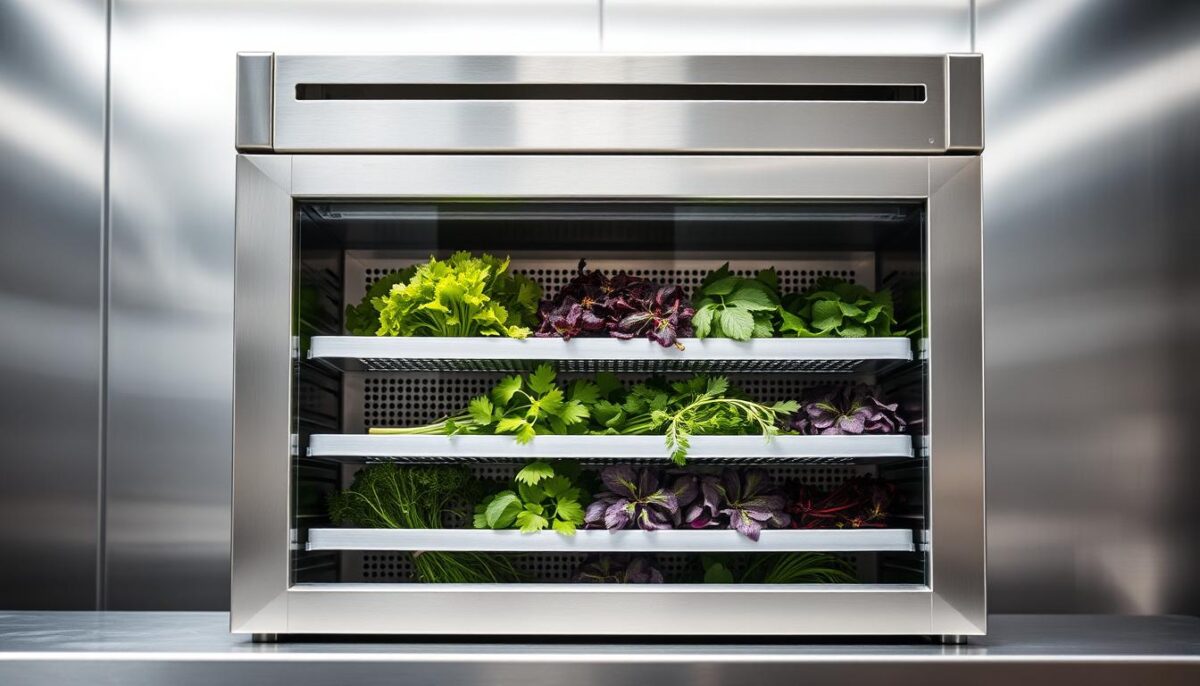
Refrigeration Best Practices
Commercial kitchens use specialized refrigeration zones to store herbs at the optimal temperature and humidity levels. This helps to maximize freshness and prevent spoilage. It’s essential to store herbs in a cool, dry place, away from direct sunlight and heat sources.
Container and Packaging Options
When it comes to storing herbs, the right container is crucial. Commercial kitchens avoid using single-use plastic containers, opting instead for sustainable options like glass jars and stainless steel containers. These containers provide an airtight environment that prevents moisture and oxygen from affecting the herbs. Additionally, using a bag or wrapping herbs in a damp paper towel can help maintain humidity and keep them fresh.
To store fresh herbs effectively, it’s also important to ensure they are completely dry before storing them in an airtight container or bag. This prevents the growth of bacteria and mold, which can cause herbs to spoil quickly. By using the right storage solutions and techniques, commercial kitchens can maintain the freshness and quality of their herbs, reducing waste and improving the overall flavor of their dishes.
Extending Herb Shelf Life in High-Volume Settings
In professional kitchens, extending the shelf life of herbs requires a combination of effective storage methods and regular upkeep. This not only ensures that the herbs remain fresh for a longer period but also maintains their flavor and aroma.
Daily Maintenance Routines
To keep herbs fresh, daily maintenance is crucial. This includes changing the water every couple of days or when you start to see discoloration. For herbs stored in a jar, checking the water level daily is essential to prevent the herbs from drying out.
Assigning specific staff responsibilities for herb maintenance ensures consistency in high-volume operations. This includes inspecting the herbs daily for signs of wilting or discoloration and rotating the stock to implement a FIFO (first in, first out) system.
| Herb Type | Storage Method | Maintenance Frequency |
|---|---|---|
| Tender Herbs | Water Jar | Daily water check |
| Hardy Herbs | Damp Paper Towel | Every 2-3 days |
Troubleshooting Common Issues
Despite proper storage, herbs can sometimes wilt or develop mold. To troubleshoot these issues, it’s essential to identify the cause. For instance, if herbs are wilting, checking the water level or the storage temperature can help resolve the issue.
For hardy herbs stored using the damp paper towel method, ensuring the paper towel is not too wet or dry is crucial. If the herbs are too wet, they may develop mold, while dry conditions can cause them to wilt.
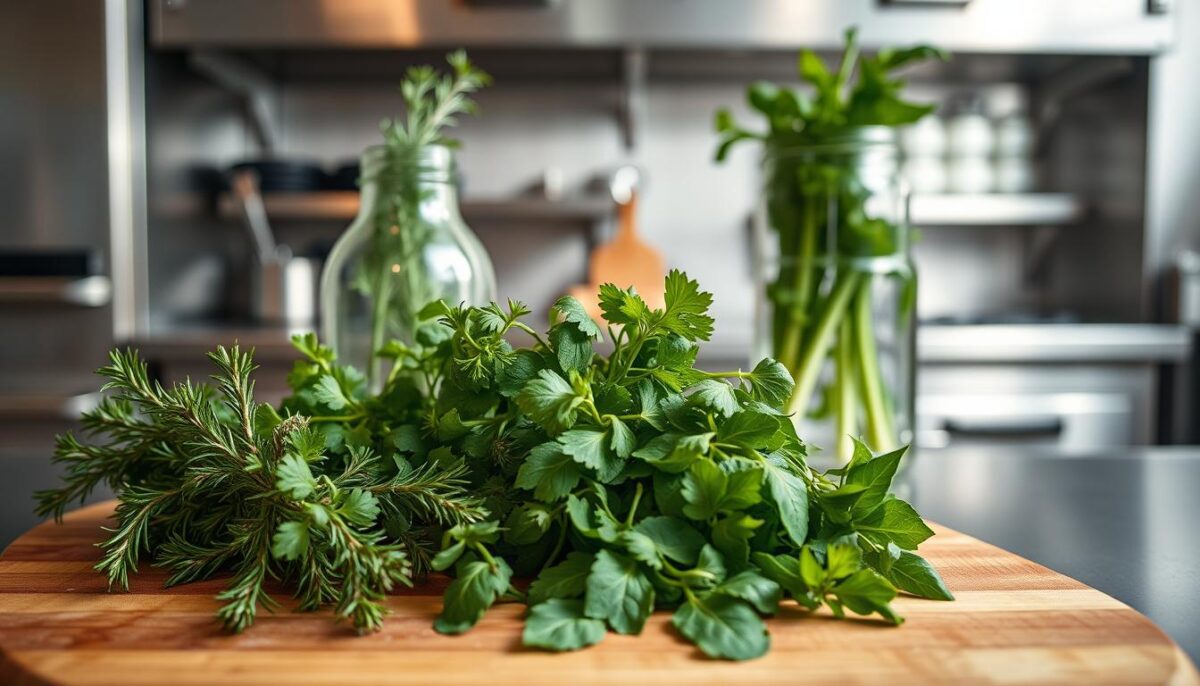
By implementing these daily maintenance routines and troubleshooting techniques, commercial kitchens can significantly extend the shelf life of their herbs. Proper storage methods, such as using a damp paper towel for hardy herbs or storing them in the fridge, can keep herbs fresh for up to several weeks.
Conclusion: Fresh Herbs, Better Dishes
In the fast-paced environment of commercial kitchens, maintaining the freshness of herbs is crucial for delivering high-quality dishes. By understanding the different types of herbs and their storage needs, chefs can significantly extend their shelf life.
The water jar method for tender herbs like basil and cilantro, and the damp paper towel technique for hardy herbs like rosemary and thyme, are effective storage practices that can keep herbs fresh for weeks. Proper storage directly impacts the quality of dishes served, allowing for consistent flavor profiles even in high-volume settings.
By implementing these professional techniques and maintaining daily routines, commercial kitchens can reduce waste, save money, and fuel creativity in the kitchen. Fresh herbs add an elevated taste to a variety of recipes, making them a valuable asset in any commercial kitchen.
FAQ
What’s the best way to store basil to maintain its flavor and aroma?
I recommend using the water jar method. Simply trim the stems, place them in a jar with water, and cover the leaves with a plastic bag to maintain humidity. This method helps to keep basil fresh for a longer period.
How do I store mint and other hardy herbs to prevent them from drying out?
For hardy herbs like mint, I use the damp paper towel technique. Wrap the stems in a damp paper towel, place them in a plastic bag, and store them in the refrigerator. This method helps to maintain the moisture and flavor of the herbs.
Can I store different types of herbs together in the same container?
I advise against storing different types of herbs together, as they may have different storage requirements. For example, basil and mint have different needs, so it’s best to store them separately to maintain their flavor and aroma.
How often should I change the water when using the water jar method?
I recommend changing the water every couple of days to prevent bacterial growth and maintain the freshness of the herbs.
Can I use a salad spinner to dry herbs after washing?
Yes, a salad spinner is a great tool for drying herbs. Simply spin the herbs gently to remove excess moisture, and then store them using your preferred method.
How can I prevent herbs from getting damaged during storage?
To prevent damage, I recommend storing herbs in a way that prevents bruising and crushing. For example, you can store them in a container with a lid or wrap them gently in a paper towel.