


4 Insurance Traps That Cost Restaurant Owners Thousands
July 19, 2025
6 Restaurant Financing Options You’ve Never Heard Of (But Should)
July 20, 2025

As a restaurant owner, outfitting your commercial kitchen with the right equipment can be a daunting task, especially when you’re on a tight budget. I recall a conversation with a restaurateur who was shocked by the high costs of new kitchen equipment, only to discover that buying used could slash their expenses significantly.
Did you know that the initial investment in restaurant equipment can consume up to 20% of a restaurant’s startup budget? This staggering figure highlights the importance of exploring cost-effective options. By considering used equipment, you can achieve substantial savings without compromising on quality.
As we explore the world of used restaurant equipment, I’ll share six proven strategies to help you save big on the equipment you need to run a successful business. With the right approach, you can enjoy significant cost reductions while maintaining operational efficiency.
Key Takeaways
- Understand the benefits of buying used over new equipment.
- Learn how to inspect used equipment for quality and functionality.
- Discover the best places to find reliable used restaurant equipment.
- Explore negotiation tactics to get the best deals.
- Find out how to balance cost and quality when purchasing.
The High Cost of Restaurant Equipment: Why Consider Used Options
The high upfront cost of new restaurant equipment leads many owners to consider used options as a viable alternative. When opening or renovating a restaurant, the expense of purchasing equipment can be overwhelming. It’s essential to understand the financial impact of this investment to make informed decisions.
Understanding the Financial Impact of Equipment Purchases
New restaurant equipment comes with a hefty price tag upfront, but it may offer long-term savings through increased efficiency, especially with Energy Star models. On the other hand, buying used restaurant equipment reduces initial costs but may result in higher maintenance and repair expenses over time.
New vs. Used: A Cost Comparison
To make an informed decision, it’s crucial to compare the costs of new and used equipment. Here’s a breakdown of typical costs for common kitchen items:
| Equipment | New Equipment Cost | Used Equipment Cost | Savings |
|---|---|---|---|
| Commercial Range | $4,000 | $2,000 | 50% |
| Refrigerator | $6,000 | $3,500 | 42% |
| Oven | $3,000 | $1,500 | 50% |
As shown in the table, buying used equipment can result in significant savings. However, it’s essential to consider factors like depreciation, maintenance costs, and energy efficiency when making a decision.
Tip 1: Know Where to Find Quality Used Restaurant Equipment
When it comes to outfitting your restaurant with used equipment, the key to success lies in knowing where to find quality items. This involves exploring various channels, from reputable dealers to online marketplaces.
Reputable Dealers and Suppliers
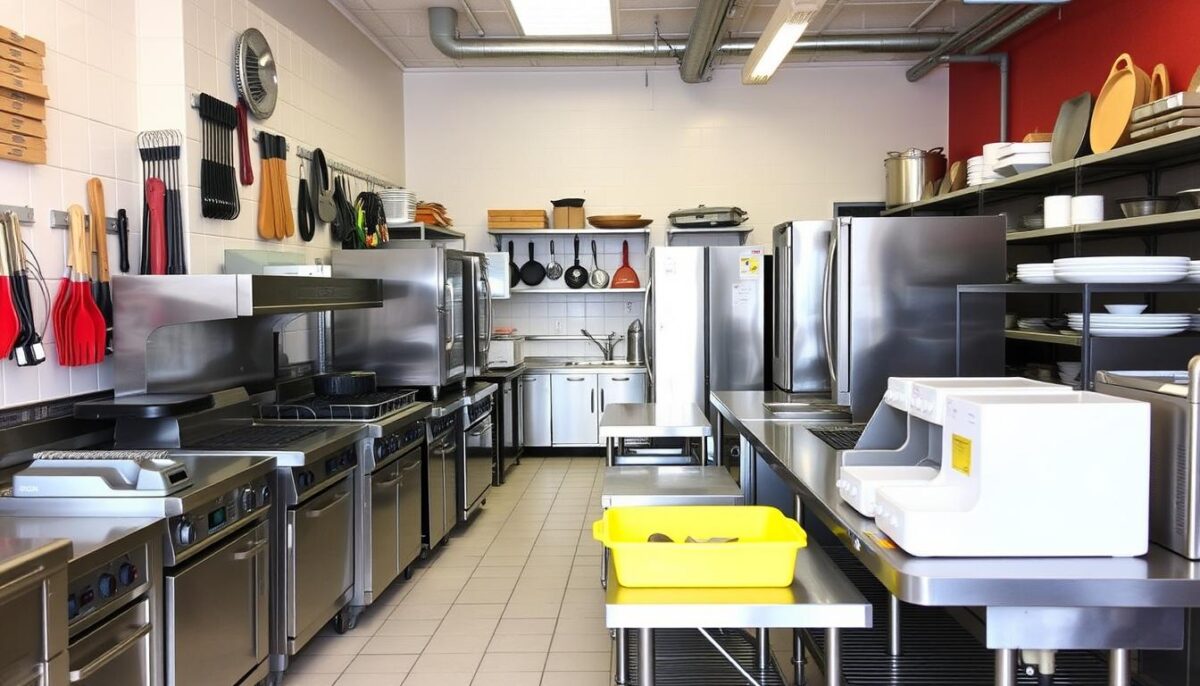
One of the best places to start your search is with reputable dealers and suppliers who specialize in used restaurant equipment. They often have a wide range of high-quality items and can provide valuable insights into the equipment’s history and condition.
Restaurant Auctions and Liquidations
Another avenue to explore is restaurant auctions and liquidations, where you can find used equipment at discounted prices. These events can be a great way to acquire the equipment you need while staying within your budget.

Online Marketplaces and Private Sellers
You can also find used equipment from private sellers through online marketplaces like Facebook Marketplace, eBay, and Craigslist. While these platforms offer a wide variety of name-brand models, it’s essential to be cautious when purchasing from a private seller, as they may not be aware of all the issues with the equipment.
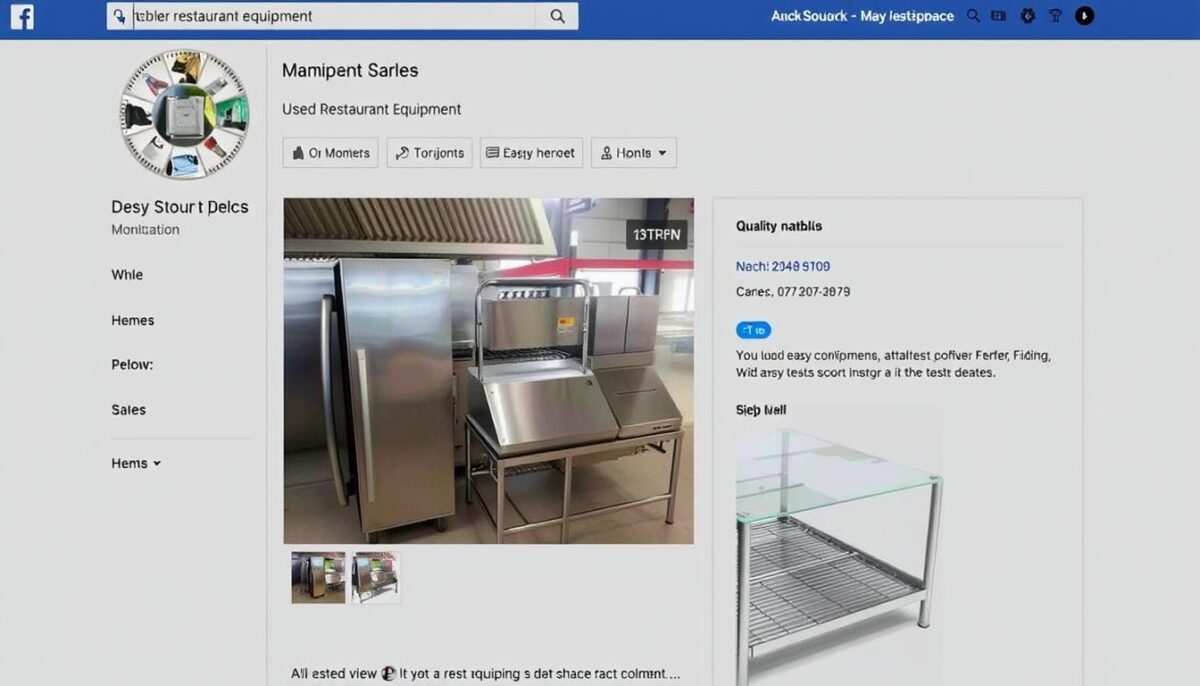
To make the most of these sources, it’s crucial to know how to evaluate private sellers, use online platforms effectively, and negotiate the best possible price. By doing so, you can find high-quality used restaurant equipment that meets your needs and fits your budget.
Tip 2: Inspect Before You Invest
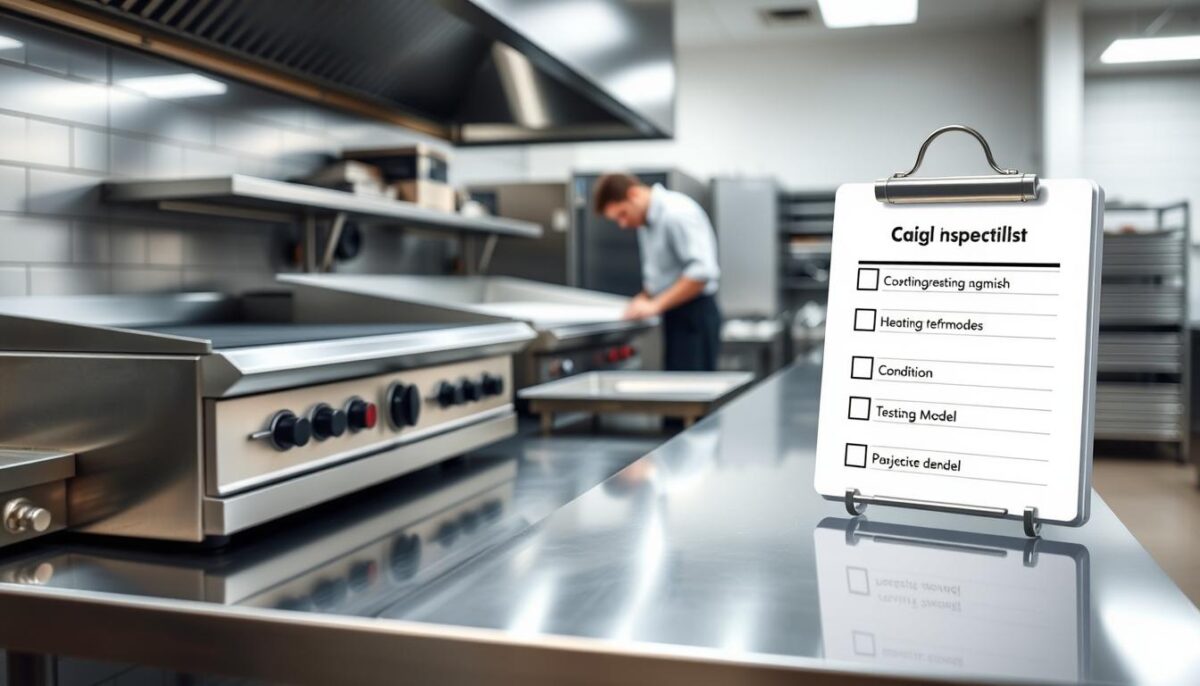
Before investing in used restaurant equipment, it’s crucial to inspect it thoroughly to avoid potential pitfalls. A thorough inspection can reveal the true condition of the equipment, helping you make an informed decision.
Critical Components to Check
When inspecting used restaurant equipment, there are several critical components to check. For refrigeration units, ensure that the cooling system is functioning properly and that there are no signs of leakage. For cooking equipment, check the heating elements and controls to ensure they’re working as expected. It’s also essential to inspect the overall condition, looking for signs of wear and tear that could indicate future problems. Be cautious when buying used refrigeration equipment because if something goes wrong, you could lose your food inventory to spoilage.
Bringing Experts Along for Evaluation
If you’re not familiar with the equipment you’re buying, consider bringing an expert along for the evaluation. This could be a technician who specializes in restaurant equipment or someone with experience in your specific type of cuisine. Their expertise can be invaluable in identifying potential issues that you might overlook. Expert evaluation can save you from costly surprises down the line.
Testing Equipment Before Purchase
Whenever possible, test the equipment before finalizing your purchase. This hands-on approach allows you to see the equipment in action, ensuring it operates as expected. Testing can reveal issues that aren’t apparent during a visual inspection, such as unusual noises or inconsistent performance. It’s better to discover these issues before you buy.
Tip 3: Focus on Equipment with the Best Used Restaurant Equipment Savings
Not all used restaurant equipment is created equal when it comes to potential savings. Some types of equipment hold their value better than others, and certain categories offer more significant savings opportunities. Understanding these differences can help you make smarter purchasing decisions.
Gas Equipment vs. Electric Equipment
When deciding between gas and electric equipment, consider the long-term costs and benefits. Gas equipment often provides faster heating and can be more cost-effective in the long run, but it may require more maintenance than electric equipment. Electric equipment, on the other hand, is generally easier to install and maintain but might have higher operational costs. The choice between gas and electric equipment should be based on your specific needs and circumstances.
Long-Lasting Equipment Types Worth Buying Used
Some equipment types are more suitable for used purchases than others due to their durability and longevity. For instance, commercial ovens and stoves, if well-maintained, can have a long lifespan and are often good candidates for used purchases. Similarly, dishwashers and certain types of refrigeration units can be reliable used buys if inspected carefully. Look for equipment that is known for its durability and has a history of reliable performance.
Equipment to Avoid Buying Used
Certain types of equipment are generally best avoided when buying used, due to the high risk of costly repairs or potential for food safety issues. These include complex digital equipment, certain types of refrigeration units, and ice machines. Equipment with computerized components or specialized parts can become expensive liabilities if purchased used without proper warranties. When considering used equipment, weigh the potential savings against the risks of future repairs and maintenance.
- Identify equipment categories that carry higher risk when purchased used.
- Evaluate the specific risks associated with each high-risk category.
- Consider alternative approaches for acquiring higher-risk equipment types.
Tip 4: Consider Scratch and Dent Options
One of the most effective ways to save on restaurant equipment is by opting for scratch and dent products. Many restaurant equipment dealers offer a scratch and dent outlet where you can find deep discounts on brand new equipment. You can even sign up for email updates to be notified as new units are added to the outlet.
What Qualifies as Scratch and Dent Equipment
Scratch and dent equipment refers to brand new products that have cosmetic damage, such as scratches or dents, but are otherwise fully functional. This category can include a wide range of products, from cooking appliances to refrigeration units.
Benefits of Scratch and Dent vs. Fully Used
The primary benefit of scratch and dent equipment over fully used equipment is that it is brand new and comes with a manufacturer’s warranty. This means you can enjoy significant savings without the long-term reliability concerns associated with used equipment. Moreover, scratch and dent products are often available for immediate delivery, reducing wait times.
Where to Find Scratch and Dent Deals
To find scratch and dent deals, you can explore various channels, including manufacturer outlets, equipment dealers, and specialized online marketplaces. Developing relationships with dealers can also alert you to new inventory before it’s widely advertised. Signing up for notifications about scratch and dent availability on sale can further enhance your chances of scoring great deals.
Tip 5: Negotiate and Time Your Purchases Strategically
Effective negotiation combined with strategic timing can help you save big on used restaurant equipment purchases. When you’re equipped with the right negotiation tactics and an understanding of the market, you can secure deals that fit your budget.
Effective Negotiation Tactics for Equipment Purchases
Negotiating the price of used restaurant equipment requires a combination of research, tact, and confidence. Start by researching the market value of the equipment you’re interested in to make an informed offer. Be prepared to walk away if the deal isn’t right, as this shows you’re not desperate. Using phrases like “I’ve seen similar equipment for a lower price” can also help in negotiations.
Best Times to Buy Used Restaurant Equipment
Timing is everything when buying used restaurant equipment. The best times to buy are typically during off-peak seasons or when new models are released, causing older models to be discounted. Additionally, keeping an eye on restaurant closures or auctions can provide opportunities to purchase quality equipment at discounted prices.
Bundling Purchases for Better Deals
Bundling purchases can lead to significant savings. When buying multiple pieces of equipment together, sellers are often willing to offer discounts. Identify complementary equipment sets that can be used together in your restaurant, and negotiate a package deal. This not only reduces the overall cost but can also save on transportation and installation expenses.
| Equipment Type | Individual Price | Bundled Price | Savings |
|---|---|---|---|
| Commercial Oven | $2,000 | $1,800 | $200 |
| Fryer | $1,500 | $1,200 | $300 |
| Refrigerator | $3,000 | $2,500 | $500 |
| Total | $6,500 | $5,500 | $1,000 |
Tip 6: Maximize Value Through Warranties and Service Plans
When investing in used restaurant equipment, it’s essential to consider not just the initial cost, but also the long-term value. One way to maximize this value is through warranties and service plans. As your restaurant grows, having the right equipment backed by reliable service can save you significant costs down the line.
Understanding Used Equipment Warranties
Used equipment warranties can provide peace of mind when purchasing pre-owned restaurant equipment. These warranties vary in scope and duration, so it’s crucial to understand what’s covered. Some sellers offer their own warranties, while others may still be under the manufacturer’s original warranty. When evaluating a used equipment purchase, I always check if there’s an existing warranty and factor that into my overall cost assessment.
Key aspects to look for in a used equipment warranty include: the length of coverage, specific components covered, and any conditions that might void the warranty. By doing so, you can better estimate the total cost of ownership and make a more informed decision.
Third-Party Service Plans Worth Considering
In addition to warranties, third-party service plans can offer additional protection and support for your used restaurant equipment. These plans can cover routine maintenance, repairs, and sometimes even provide priority service. When selecting a third-party service plan, it’s essential to evaluate the provider’s reputation, the scope of services covered, and the cost of the plan relative to your equipment’s value.
I recommend comparing different service plans and reading reviews from other customers to find a reliable provider. This can help minimize downtime and keep your restaurant running smoothly, ultimately saving you money and reducing stress.
Budgeting for Maintenance and Repairs
Even with warranties and service plans, it’s vital to budget for maintenance and repairs. Older equipment tends to require more frequent maintenance and is more prone to breakdowns. To create a realistic maintenance budget, consider the type, age, and condition of your equipment.
A general rule of thumb is to allocate a percentage of your equipment’s original purchase price annually for maintenance and repairs. For instance, you might budget 5-10% per year, depending on the equipment’s age and usage. By doing so, you can ensure that you’re prepared for any unexpected repairs and can keep your restaurant equipment in good working order.
Conclusion: Balancing Quality and Cost for Smart Equipment Investments
As we wrap up our guide on saving big on used restaurant equipment, it’s clear that strategic purchasing can significantly impact your bottom line. By applying the six key strategies outlined in this guide, you’ll be well-equipped to maximize savings while ensuring the quality and reliability of your kitchen equipment.
The importance of thorough research and inspection cannot be overstated. These steps are crucial in protecting both your immediate savings and the long-term value of your equipment investments. By doing your due diligence, you can avoid costly pitfalls and ensure that your purchases contribute to the overall success of your restaurant business.
A balanced equipment acquisition strategy is key. This might involve a mix of new, used, and scratch and dent items, tailored to your specific operational needs. By preserving capital through smart equipment purchasing, you’ll have more resources to devote to other critical areas of your business, such as marketing, staffing, and food quality.
In the competitive restaurant industry, making smart equipment investments can be a game-changer. Whether you’re a new restaurant looking to gain a competitive edge or an established business aiming to maintain profitability, a thoughtful approach to used restaurant equipment purchasing is essential. Remember, the goal is not just to minimize costs but to maximize value by finding the optimal balance between equipment quality, reliability, and price.
FAQ
What are the benefits of buying used kitchen equipment for my restaurant?
Buying used kitchen equipment can help reduce costs, as new equipment can be quite expensive. I can save a significant amount by opting for pre-owned items that are still in good condition.
How do I ensure the used equipment I buy is in good working condition?
To ensure the equipment is in good condition, I inspect it thoroughly, checking for any damage, such as scratches or dents. I also test it before making a purchase, if possible.
Are there any warranties available for used equipment?
Yes, some dealers offer warranties on used equipment, and there are also third-party service plans available. I make sure to understand what’s covered and for how long.
Can I negotiate the price of used equipment?
Absolutely, I negotiate the price whenever possible. I also consider bundling purchases to get a better deal, as some sellers may be willing to offer discounts for larger purchases.
What are some popular brands of used kitchen equipment that I should consider?
Some well-known brands, such as Viking, Wolf, and Hobart, are popular among chefs and restaurateurs. I look for these brands when shopping for used equipment, as they are known for their quality and durability.
How do I find reputable dealers or suppliers of used kitchen equipment?
I research online, ask for referrals from other restaurateurs, and check reviews to find reputable dealers. I also check if they have a physical store or showroom, which can be a good indicator of their legitimacy.
Are there any specific types of equipment that I should avoid buying used?
Yes, some types of equipment, such as ovens and fryers, may require more maintenance or have a shorter lifespan. I exercise caution when buying these items used, and consider the cost of any necessary repairs or maintenance.