


Real Cost to Open a Restaurant in 2025—No Surprises
October 28, 2025
The real price of starting a restaurant from scratch
October 29, 2025
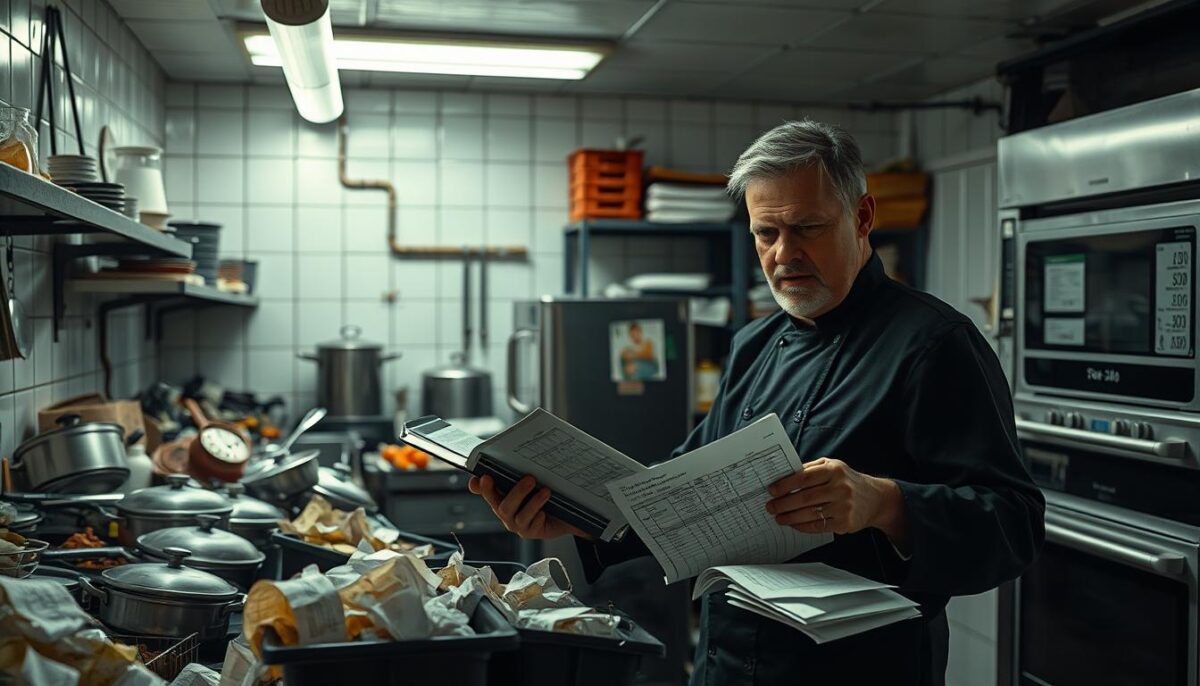
When I opened my first restaurant, I was excited but unprepared for the financial challenges that came with it. I soon realized that launching a successful business requires more than just a great concept – it demands careful financial planning.
Did you know that approximately 60% of new restaurants fail within the first year due to poor financial management? This staggering statistic highlights the importance of understanding common budget mistakes to avoid costly errors.
As someone who has navigated these challenges firsthand, I’m here to share the most critical mistakes to watch out for when launching your restaurant business, and how to achieve success.
Key Takeaways
- Understand the common financial pitfalls that can make or break your restaurant business.
- Learn how to avoid costly errors and maximize your budget.
- Discover practical solutions to common budget mistakes.
- Gain insights into effective financial planning for long-term success.
- Make informed decisions to increase your chances of success in the competitive restaurant industry.
My Journey into Restaurant Ownership
As I stepped into the world of restaurant ownership, I was met with the harsh truth that running a successful business requires more than just culinary skills. My path to becoming a restaurant owner began with a passion for food and hospitality, but I soon learned that passion alone wasn’t enough to ensure financial success.
Like many restaurant owners, I initially underestimated the complexity of managing a food business and the capital required to get it off the ground. The first few months were a steep learning curve as I navigated permits, licensing, equipment purchases, and staffing challenges. I made several costly mistakes early on that could have been avoided with better research and financial planning.
Through trial and error, I developed systems that helped me make informed decisions rather than emotional ones. My experience taught me that restaurant ownership is as much about managing numbers as it is about creating memorable dining experiences. I’m sharing my journey so other aspiring business owners can learn from my mistakes and set themselves up for success from day one.
Understanding the Financial Landscape of Restaurants
The financial landscape of restaurants is complex and demands careful navigation from the outset. As a restaurant owner, it’s essential to understand the financial intricacies that can make or break your business.
The Reality of Restaurant Profit Margins
Restaurant profit margins are notoriously thin, often ranging between 3% to 5%. This reality underscores the importance of effective financial management. To maintain profitability, restaurant owners must carefully manage cash flow, monitor expenses, and optimize revenue streams.

| Expense Category | Average Percentage of Revenue |
|---|---|
| Food Costs | 30-35% |
| Labor Costs | 25-30% |
| Occupancy Costs | 5-10% |
Why Financial Planning Matters from Day One
Comprehensive financial planning from the beginning is vital for restaurant success. It helps in securing better financing options, avoiding cash flow problems, and making strategic decisions rather than reactive ones. By understanding the break-even point and having contingency funds, restaurant owners can navigate the inevitable surprises that come with running a business.
- Creating different financial scenarios helps prepare for various outcomes.
- Understanding startup costs and operating capital is crucial for sustaining the business until it becomes profitable.
By prioritizing financial planning, restaurant owners can set their business up for success and navigate the challenges of the restaurant industry with confidence.
Underestimating Initial Startup Costs
One of the most significant challenges I faced when opening my restaurant was underestimating the initial startup costs. Starting a restaurant requires a significant upfront investment, and failing to account for all expenses can lead to financial strain just as the business begins. Typical startup expenses include renovations, kitchen equipment, licenses, initial food inventory, and marketing.
Hidden Expenses That Caught Me Off Guard
In my experience, some costs were not immediately apparent. For instance, I had to budget for licenses and permits that varied by location, and the cost of renovations was higher than anticipated. To avoid similar surprises, it’s crucial to conduct thorough research and consult with other restaurant owners.
- Researching actual costs from other restaurant owners helped me create a more accurate budget.
- Breaking down expenses into categories allowed for better cost management.
Creating a Realistic Startup Budget
To create a realistic budget, I learned to track every expense in detail and prioritize essential expenditures. Working with an accountant specializing in restaurant businesses provided valuable insights. I also discovered the importance of building a contingency fund to cover unexpected costs.
- Negotiating payment terms with vendors helped manage cash flow.
- Regularly reviewing and adjusting the budget ensured financial control.
Poor Location Selection: A Critical Restaurant Budget Mistake
When it comes to opening a restaurant, the location can make or break your business. I learned this the hard way, and it’s a lesson that has stuck with me throughout my journey as a restaurant owner. The right location can attract a steady stream of customers, while the wrong one can lead to dwindling sales and eventual closure.

How Location Impacts Your Bottom Line
The location of your restaurant directly affects your bottom line. A prime location can command higher prices and attract more customers, while a less desirable location may require significant marketing efforts to draw in patrons. I discovered that evaluating locations based on the ratio of rent to potential foot traffic was crucial in making an informed decision.
- High-rent districts often delivered better value through increased customer volume and higher average checks.
- I developed a formula to estimate the number of customers needed at our average check size to justify different rent levels.
- Analyzing foot traffic patterns at different times of day helped determine if a location would support both lunch and dinner service.
Balancing Rent Costs with Foot Traffic Potential
Finding the sweet spot between rent costs and foot traffic potential is key to a successful restaurant location. I learned to negotiate rent based on realistic revenue projections rather than accepting standard market rates. Percentage rent agreements, where part of the rent is based on sales, sometimes offered a better alignment between costs and revenue potential.
| Location Factor | High-Rent District | Low-Rent Area |
|---|---|---|
| Foot Traffic | High | Low |
| Customer Volume | High | Low |
| Average Check Size | Higher | Lower |
By carefully evaluating these factors and finding the right balance, you can set your restaurant up for success and avoid costly mistakes.
Overspending on Décor and Renovations
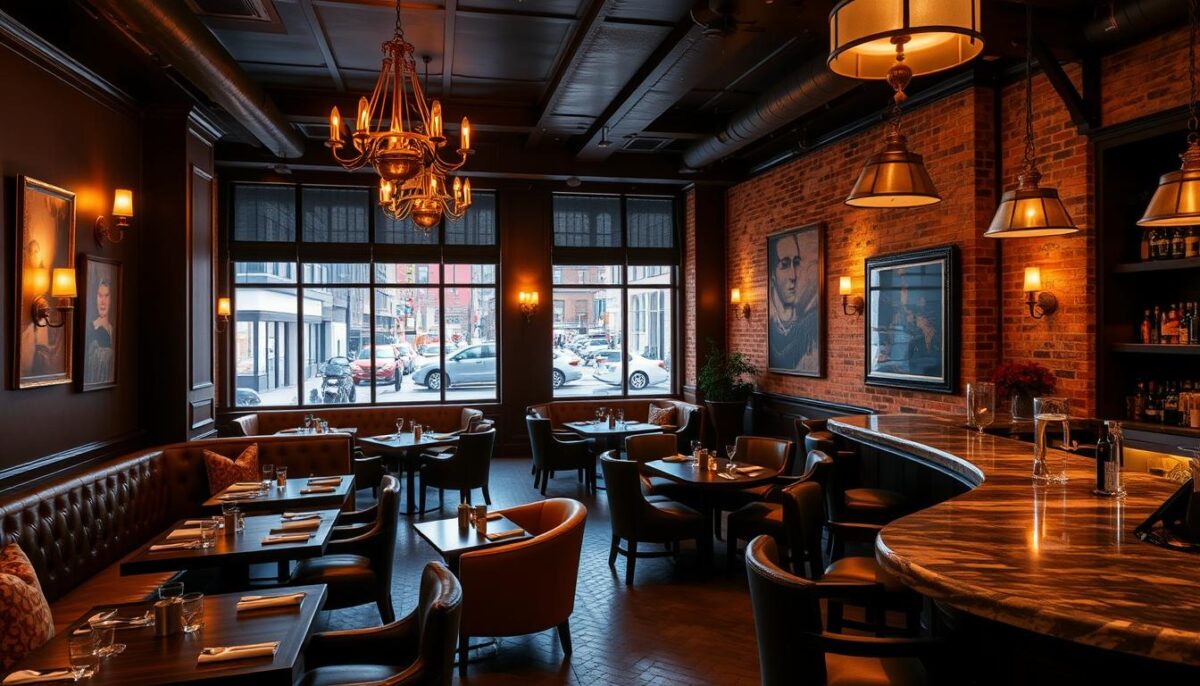
A well-designed restaurant can make or break the dining experience, yet many owners overspend in this area. While ambiance plays a crucial role in attracting and retaining customers, it’s essential to strike a balance between creating an inviting atmosphere and managing your budget effectively.
Striking the Right Balance
To avoid overspending, focus on creating a comfortable and inviting atmosphere that reflects your unique style and resonates with your target customers. Instead of splurging on expensive materials, consider more affordable options like repurposed furniture or local artwork that adds character to your restaurant.
Cost-Effective Solutions
Some cost-effective design solutions include using repurposed or upcycled materials, working with local artists, and strategically using paint and wallpaper. Additionally, incorporating plants and greenery can add warmth to the space at minimal cost. By defining clear design priorities and focusing on quality in high-touch areas, you can create a strong brand identity without breaking the bank.
| Design Element | Cost-Effective Solution |
|---|---|
| Furniture | Repurposed or upcycled materials |
| Artwork | Local artists or affordable prints |
| Ambiance | Strategic use of paint and wallpaper |
Equipment Purchasing Errors
Many restaurant owners make the mistake of overspending on equipment without considering their actual needs. When launching a new restaurant, it’s crucial to strike a balance between having the necessary equipment to support your menu and operations, without breaking the bank.
Right-Sizing Your Kitchen Equipment
To avoid equipment purchasing errors, it’s essential to right-size your kitchen equipment. This involves analyzing your menu and projected customer volume to determine the appropriate equipment needed to support your operations. By doing so, you can ensure that your equipment aligns with your operational requirements and contributes to long-term growth.
For instance, oversized kitchen appliances might be more than what your current customer volume requires, leading to unnecessary expenses. On the other hand, undersized equipment can bottleneck your kitchen’s efficiency. Therefore, taking a step back to assess your needs is crucial.
New vs. Used: Making Smart Equipment Investments
When it comes to purchasing equipment, deciding between new and used can be challenging. While some items are worth investing in new, others can be purchased used without compromising on quality or reliability. For example, critical cooking equipment that directly impacts food quality is worth investing in new models with warranties.
- Critical cooking equipment should be purchased new to ensure food quality and consistency.
- Used refrigeration and storage equipment can offer significant savings without compromising reliability.
- Leasing equipment can sometimes make more financial sense than purchasing, especially for technology that requires regular updates.
- Building relationships with equipment service professionals can help identify reliable brands and models.
By making informed decisions about equipment purchasing, restaurant owners can avoid costly mistakes and ensure the success of their operations.
Menu and Pricing Miscalculations
A well-designed menu is not just about listing dishes; it’s a key driver of a restaurant’s financial success. The menu plays a crucial role in attracting customers, driving sales, and ultimately, determining the restaurant’s revenue.
Pitfalls of an Oversized Menu
Many restaurant owners believe that a larger menu with more options will attract a wider customer base. However, an oversized menu can lead to operational inefficiencies, increased food waste, and longer wait times. By streamlining the menu to focus on quality over quantity, restaurants can improve kitchen operations and enhance customer satisfaction.
- Simplifies kitchen operations and reduces wait times
- Helps maintain consistency in dishes by focusing on a manageable number of items
- Reduces inventory management complexities and minimizes food waste
Strategic Pricing for Profitability
Proper menu pricing requires a scientific approach, taking into account food costs, customer preferences, and market conditions. Techniques such as price anchoring, psychological pricing, and bundling high-margin items can significantly impact profitability.
- Analyzing price sensitivity helps understand customer willingness to pay premium prices
- Adjusting pricing seasonally based on ingredient costs and availability maintains profitability
- Competitive analysis of similar restaurants informs pricing decisions to position the restaurant appropriately in the market
Inventory Management Failures
Managing inventory efficiently can make or break a restaurant’s financial health. The temptation to overstock on ingredients can lead to waste and increased costs, ultimately affecting profitability.
Preventing Food Waste and Spoilage
To avoid excessive waste, it’s crucial to track sales and monitor ingredient usage closely. By doing so, you can gain valuable insights into your inventory needs as your restaurant grows. Implementing an efficient system helps in reducing waste and saving costs.
- Investing in inventory management software with POS integration can improve ordering accuracy.
- Categorizing inventory items by usage frequency and value helps prioritize management efforts.
- Implementing cycle counting proves more effective than infrequent full inventory counts.
Implementing Effective Inventory Systems
An effective inventory management system is vital for maintaining the right balance between supply and demand. This involves setting up automatic par-level alerts, analyzing inventory turnover rates, and training staff on inventory procedures.
Underinvesting in Staff Training and Development
The backbone of a successful restaurant lies in its well-trained staff. In my experience, investing in comprehensive training programs has been a game-changer for improving customer satisfaction and reducing employee turnover.
One of the most significant consequences of underinvesting in staff training is high employee turnover. When staff members are not adequately trained, they are more likely to feel overwhelmed and underprepared, leading to frustration and eventual departure.
The Hidden Costs of High Employee Turnover
High employee turnover is costly, with expenses including recruitment, training, and lost productivity. According to various studies, the cost of replacing an employee can range from 50% to 200% of their annual salary. For a restaurant, this can translate into significant financial losses.
| Turnover Costs | Low-Turnover Restaurant | High-Turnover Restaurant |
|---|---|---|
| Recruitment Costs | $5,000 | $20,000 |
| Training Costs | $3,000 | $15,000 |
| Lost Productivity | $2,000 | $10,000 |
Building a Training Program That Pays Off
To avoid these costs, I developed a comprehensive training program that included role-playing exercises, position-specific checklists, and video training modules. This structured approach ensured that all staff members were equipped to provide excellent customer service and maintain high food safety standards.
Some key elements of the training program included:
- Standardized procedures and expectations across all positions
- Regular refresher training to maintain high standards
- Product knowledge training, including tastings of menu items and beverages
- Tracking key performance metrics to quantify the ROI of training initiatives
By investing in staff training, restaurants can improve customer satisfaction, reduce turnover, and ultimately drive business success.
Marketing Missteps That Drain Your Budget
Effective marketing is crucial for a restaurant’s success, yet many establishments struggle with costly missteps. In today’s digital age, a strong online presence is non-negotiable for attracting and retaining customers.
Balancing Traditional and Digital Marketing
A well-rounded marketing strategy involves balancing traditional and digital approaches. While traditional methods like print ads and flyers can be effective, digital marketing offers a more cost-effective way to reach a wider audience. Social media platforms like Instagram, Facebook, and TikTok provide valuable opportunities to engage with customers and promote your restaurant.
Cost-Effective Strategies That Worked for My Restaurant
Through trial and error, I discovered several cost-effective marketing strategies that drove results for my restaurant. Some of these included:
- Leveraging user-generated content from satisfied customers to create authentic marketing material.
- Implementing a referral program that rewarded existing customers for bringing in new diners.
- Creating targeted promotions during slow periods to increase overall revenue and attract new customer segments.
- Investing in Google Business Profile optimization to improve local search visibility.
- Developing a loyalty program with meaningful rewards to incentivize repeat visits and increase customer lifetime value.
By adopting these strategies, I was able to enhance my restaurant’s online presence, attract new customers, and drive business growth without breaking the bank.
Conclusion: Turning Budget Awareness into Restaurant Success
Running a profitable restaurant requires more than just culinary skill; it demands financial acumen. By understanding common budget pitfalls, restaurant owners can avoid costly mistakes and achieve success. Financial awareness is key to success in the restaurant industry.
FAQ
What are the most common financial pitfalls for new restaurant owners?
New restaurant owners often underestimate initial startup costs, overspend on décor, and miscalculate menu pricing, leading to financial strain.
How can I effectively manage my inventory to minimize waste?
Implementing an effective inventory system and regularly tracking inventory levels can help prevent food waste and spoilage, ultimately saving costs.
What role does location play in my restaurant’s success?
A well-chosen location with high foot traffic potential can significantly impact your bottom line, while a poor location can lead to financial struggles.
How can I balance marketing efforts with my limited budget?
By leveraging cost-effective marketing strategies, such as digital marketing and loyalty programs, you can attract customers without breaking the bank.
What are the benefits of investing in staff training and development?
Investing in staff training can lead to improved customer satisfaction, reduced employee turnover, and increased productivity, ultimately benefiting your restaurant’s revenue.
How can I optimize my menu pricing for profitability?
By analyzing customer preferences and adjusting menu pricing accordingly, you can strike a balance between profitability and customer demand.
What are some cost-effective design solutions for my restaurant?
By repurposing existing materials, shopping second-hand, and focusing on functional design, you can create an inviting atmosphere without overspending on décor.