


Ghost Kitchens in 2025: 5 Case Studies That Reveal What Really Works
August 7, 2025
Robot Servers vs Human Staff: Why a Hybrid Model May Win
August 8, 2025

As a restaurant owner, you’ve likely experienced the frustration of watching your profit margins shrink despite a bustling dining area. It’s a common challenge, and one that can be addressed through strategic menu planning. Research indicates that effective menu design can boost profits by up to 15%, a significant increase that underscores the importance of understanding customer preferences and behaviors.
Despite its potential impact, a staggering 60% of restaurants don’t engage in menu engineering at all, missing out on a powerful tool to drive revenue. By combining artificial intelligence with traditional menu engineering, restaurants can gain a deeper understanding of their customers’ needs and preferences, optimizing their menu for maximum profitability.
So, how can AI-driven menu engineering revolutionize your restaurant’s bottom line? The answer lies in its ability to analyze customer data and optimize menu offerings accordingly.
Key Takeaways
- Effective menu design can increase restaurant profits by up to 15%.
- 60% of restaurants don’t use menu engineering, missing out on potential revenue.
- AI-driven menu engineering analyzes customer data to optimize menu offerings.
- Combining AI with traditional menu engineering creates a powerful tool for restaurants.
- Understanding customer preferences is crucial for maximizing profitability.
Understanding the Power of AI in Restaurant Menu Engineering
The integration of AI in restaurant menu engineering is revolutionizing the way businesses approach profitability. Menu engineering, a strategic process aimed at maximizing profitability and enhancing customer experience, is becoming increasingly sophisticated with the advent of AI.
What is Menu Engineering and Why It Matters
Menu engineering refers to the practice of optimizing a restaurant’s menu by analyzing sales data to improve profitability. It’s not just about visual appeal; menu engineering helps restaurants understand what sells and optimize their layout to emphasize high-margin, best-selling dishes. This data-driven approach maximizes revenue, reduces waste, and keeps businesses competitive.
The importance of menu engineering lies in its direct impact on a restaurant’s bottom-line results. By strategically placing and pricing menu items, restaurants can significantly enhance their profitability. Effective menu engineering is crucial for restaurants of all sizes.
How AI Transforms Traditional Menu Engineering
AI transforms traditional menu engineering by automating data collection, providing deeper insights, and enabling more precise decision-making. AI can analyze vast amounts of customer data to identify patterns and preferences that human analysis might miss, creating more effective menu designs.
| Traditional Menu Engineering | AI-Driven Menu Engineering |
|---|---|
| Manual data analysis | Automated data collection and analysis |
| Limited insights | Deeper insights into customer preferences |
| Static menu designs | Dynamic menu optimization based on real-time data |
By leveraging AI, restaurants gain a competitive advantage through more sophisticated analysis capabilities and real-time optimization. AI tools continuously monitor menu performance and suggest adjustments to maximize profitability.
The Science Behind AI Menu Engineering
The science behind AI menu engineering lies in its ability to analyze vast amounts of data to optimize menu performance. By applying advanced algorithms and machine learning techniques, AI-driven menu engineering helps restaurants make data-driven decisions to maximize profitability.
The Profit-Popularity Matrix Reimagined with AI
The profit-popularity matrix is a crucial tool in menu engineering, categorizing menu items into stars, plow horses, puzzles, and dogs based on their profitability and popularity. AI enhances this concept by automatically categorizing menu items with greater accuracy than traditional methods and continuously updating the matrix in real-time as customer preferences and food costs change.
| Menu Category | Profitability | Popularity |
|---|---|---|
| Stars | High | High |
| Plow Horses | Low | High |
| Puzzles | High | Low |
| Dogs | Low | Low |
Data-Driven Decision Making for Menu Optimization
AI-powered systems enable restaurants to make data-driven decisions for menu optimization. By analyzing customer behavior, sales data, and market trends, AI helps identify high-profit menu items, optimize menu layout and design, and predict which items might shift categories based on seasonal trends or pricing changes.
7 Ways AI-Driven Menu Analysis Enhances Profitability
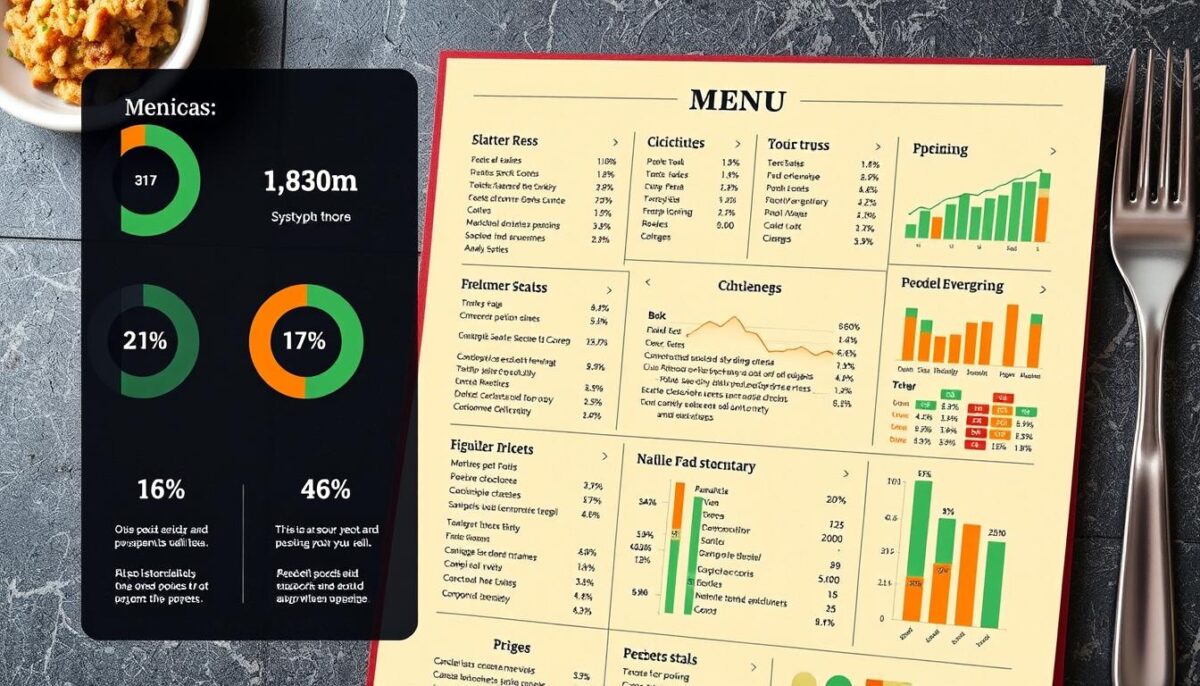
AI-driven menu analysis is revolutionizing the way restaurants approach profitability. By leveraging advanced algorithms and data analysis, restaurants can make informed decisions to optimize their menus and increase sales.
Identifying High-Margin Menu Items
AI algorithms can quickly identify high-margin menu items and suggest optimal placement on the menu to increase their visibility and sales. This targeted approach enables restaurants to focus on promoting their most profitable dishes.
Optimizing Menu Layout and Design
AI tools can analyze customer behavior patterns and eye-tracking studies to recommend optimal menu layout and design. Strategic placement of high-margin items in prime spots, such as the top right corner, can significantly boost sales.
Strategic Pricing Based on Customer Behavior
AI can analyze customer behavior patterns to recommend strategic pricing adjustments that maximize profit without deterring purchases. By understanding customer preferences and willingness to pay, restaurants can optimize their pricing strategies to enhance profitability.
In addition to these strategies, AI-driven menu analysis can help restaurants implement dynamic pricing, maintain healthy profit margins, and identify opportunities for menu item modifications that increase margins while maintaining customer satisfaction.
By adopting AI-driven menu analysis, restaurants can create a continuous improvement cycle that consistently enhances profitability over time. This data-driven approach enables restaurants to stay competitive in a rapidly changing market and make informed decisions to drive sales and revenue.
AI-Powered Marketing Strategies for Your Menu
By harnessing the power of AI, restaurants can now optimize their menu marketing like never before. AI is transforming the way restaurants approach menu engineering, making it possible to create highly personalized and effective marketing strategies.
Creating Compelling Menu Descriptions with AI
The words used in menu descriptions deeply influence customer preferences. Terms like “savory,” “crispy,” or “freshly caught” can increase the perceived value of a dish. AI-generated descriptions can evoke sensory experiences, making dishes more appealing and boosting sales by up to 27%.
AI analyzes successful menu descriptions across thousands of restaurants to identify patterns that drive sales, enabling restaurants to create more compelling content.
Personalized Menu Recommendations for Customers
AI can create personalized menu recommendations based on individual customer preferences, order history, and similar customer profiles. This not only enhances the dining experience but also increases average check size.
By highlighting different menu items to different customers based on their past ordering behavior, AI-powered marketing can significantly boost sales. Additionally, AI helps restaurants create seasonal marketing campaigns featuring high-margin menu items at optimal times.
AI-driven menu marketing extends beyond the physical menu to social media, email campaigns, and other digital touchpoints, ensuring a cohesive marketing strategy. By leveraging AI for menu engineering and marketing, restaurants can significantly enhance customer experience and drive profitability.
Leveraging AI for Inventory and Cost Management
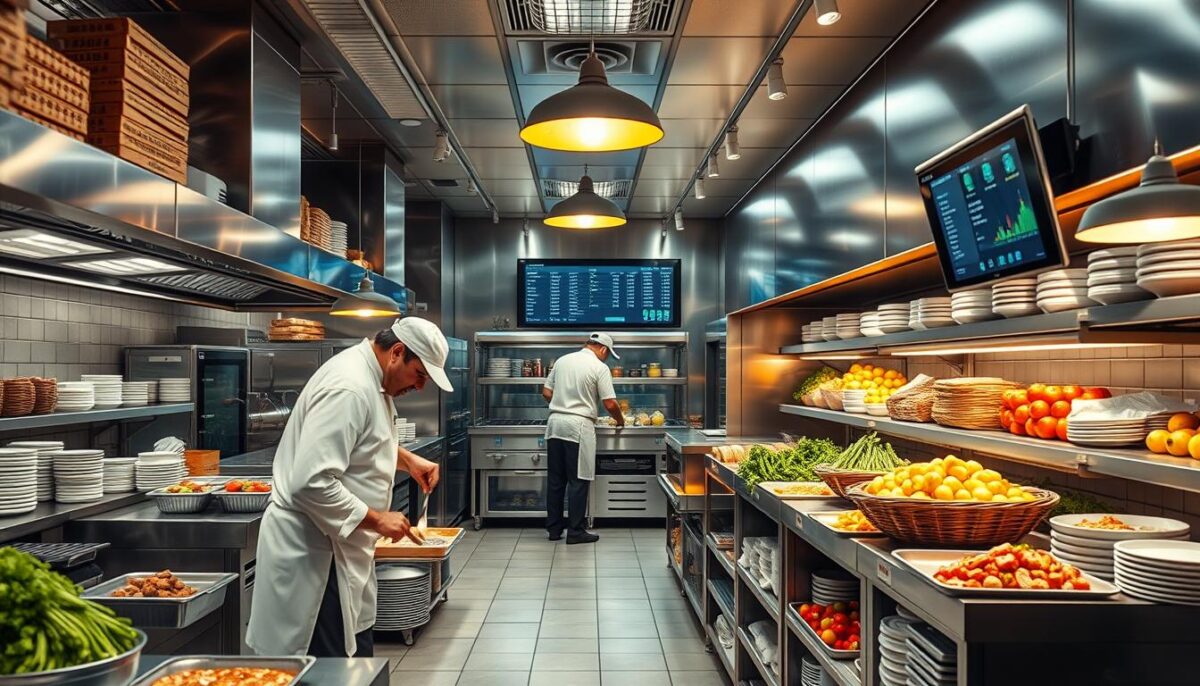
By leveraging AI for inventory management, restaurants can significantly reduce waste and improve profitability. AI systems can track inventory levels in real-time, predict usage patterns, and automatically reorder supplies. This leads to better inventory control and cost savings.
Predicting Ingredient Usage and Reducing Waste
AI algorithms can predict ingredient usage based on historical sales data, weather patterns, and upcoming events, optimizing ordering and reducing waste. For instance, Dishoom, a London-based restaurant group, reduced food waste by 20% using an AI-powered inventory management tool. By identifying usage patterns and suggesting portion adjustments or cross-utilization opportunities, AI inventory systems can significantly minimize waste.
Automating Food Cost Analysis
Automated food cost analysis powered by AI provides real-time insights into menu profitability as ingredient prices fluctuate. AI can help restaurants maintain ideal food cost percentages by suggesting menu price adjustments when ingredient costs change. Additionally, AI can automate the tedious process of recipe costing, ensuring accurate profit margins for each menu item.
By implementing AI-driven inventory management, restaurants can optimize their operations, reduce costs, and improve profitability. With AI, restaurants can ensure they have fresh ingredients on hand, reduce food waste, and maintain optimal inventory levels.
Enhancing the Overall Dining Experience with AI
By leveraging AI, restaurants can significantly improve the overall dining experience, leading to increased customer satisfaction. AI technologies are being used to analyze customer feedback, personalize service, and predict customer needs, ultimately creating a more engaging and memorable experience for diners.
AI-Driven Customer Review Analysis
AI software, such as SevenRooms AI Feedback Summary, is adept at analyzing customer reviews and feedback, extracting actionable insights to improve various aspects of the dining experience. By identifying common themes and trends, AI enables restaurants to address issues promptly and enhance the overall dining experience. For instance, if many customers mention that service has been slow on weekends, AI can highlight this trend, allowing restaurants to investigate and make necessary adjustments.
Key benefits of AI-driven customer review analysis include:
- Identifying patterns and trends that might be missed by manual review monitoring
- Extracting actionable insights from customer feedback to improve menu offerings and service quality
- Enhancing the overall dining experience by addressing customer concerns promptly
Improving Service Through Predictive Analytics
Predictive analytics can help restaurants anticipate customer needs and preferences before they are even expressed. By analyzing historical data and customer behavior, AI can predict peak periods, allowing restaurants to adjust staffing accordingly. Additionally, AI can help personalize the dining experience for repeat customers by remembering their preferences and previous orders.
The result is a more tailored and engaging experience that drives customer loyalty and positive word-of-mouth. By leveraging AI-powered predictive analytics, restaurants can stay ahead of the competition and create memorable dining experiences that keep customers coming back.
Real-World Success Stories: AI Menu Engineering in Action
The power of AI-driven menu engineering is best illustrated through real-world success stories from restaurants that have seen significant profits. Major restaurant chains have been at the forefront of adopting this technology, achieving remarkable results.
Boosting Profits: AI in Major Restaurant Chains
TGI Fridays is a prime example of a major restaurant chain that successfully implemented AI-driven menu engineering. In the early 2000s, they faced declining sales and turned to the profit-popularity matrix to identify their most profitable dishes. By reducing their menu items from over 90 to around 60 and focusing on “star” items, they were able to streamline their offerings. Additionally, they adjusted their pricing strategy, raising prices on popular dishes and lowering them on less popular ones. The impact was significant: within a year, same-store sales increased by 2.5%, and by 2005, sales had risen by over 5%.
| Restaurant Chain | Strategy Implemented | Results |
|---|---|---|
| TGI Fridays | Reduced menu items, focused on “star” items, adjusted pricing | 2.5% increase in same-store sales within a year, over 5% sales rise by 2005 |
Small Restaurant Success Stories
Small, independent restaurants have also benefited from AI-driven menu engineering. By leveraging AI tools, these establishments can analyze customer data and optimize their menus accordingly. For instance, a small Italian restaurant in New York used AI to identify that their customers preferred vegetarian options. They adjusted their menu to include more vegetarian dishes, resulting in a 10% increase in sales within a few months. Such case studies demonstrate that AI-driven menu engineering is accessible and beneficial for restaurants of all sizes.
Implementing AI Menu Engineering in Your Restaurant

AI menu engineering is revolutionizing the way restaurants approach menu optimization and profitability. To stay ahead of changing trends and customer preferences, using menu engineering software is crucial. AI-driven tools help track and analyze menu performance in real-time, revealing which dishes are performing well—and which need reevaluation.
Choosing the Right AI Tools for Your Needs
Several menu engineering software platforms make it easier to analyze and optimize your restaurant’s menu. Some of the best tools include MarketMan, Toast, and SimpleOrder, which provide real-time insights into menu performance and integrate seamlessly with POS systems. When choosing AI tools, consider your restaurant’s specific needs, budget, and technical capabilities.
Step-by-Step Implementation Guide
To implement AI menu engineering successfully, follow these steps:
- Assess your current menu performance and identify areas for improvement.
- Select the right AI tools and software that fit your restaurant’s needs.
- Integrate the AI software with your existing POS and inventory management systems.
- Train your staff on the new AI-driven systems and processes.
- Monitor and analyze the results, making adjustments as needed to optimize your menu.
By following this guide, restaurant owners can minimize disruption while maximizing the benefits of AI menu engineering. Proper data collection and management are key to successful implementation, and measuring the ROI of your AI menu engineering efforts will help track its impact on your bottom line.
Conclusion: The Future of AI in Restaurant Profitability
The future of restaurant profitability is being rewritten by the advent of AI-driven menu engineering. As we’ve explored throughout this article, AI is having a transformative impact on the way restaurants approach profitability and the dining experience. By leveraging AI, restaurants can optimize their menus, streamline operations, and enhance customer satisfaction.
Industry experts, such as Kinesh Patel, co-founder and chief technology officer at SevenRooms, predict that AI will create a “golden age for hospitality” by increasing demand for human experiences while reducing costs through automation. As AI technology continues to evolve, we can expect to see even more innovative applications in menu engineering and beyond.
To stay competitive, restaurants of all sizes must be prepared to adapt to the AI-driven future. This means embracing AI as a powerful tool for maximizing profits while maintaining the human touch that makes dining out special. By striking this balance, restaurants can ensure long-term success in an increasingly competitive market.
In conclusion, AI-driven menu engineering is not just a trend, but a fundamental shift in how successful restaurants will operate in the future. As the restaurant industry continues to evolve, it’s clear that AI will play a vital role in shaping its future.
FAQ
What is the primary goal of using AI-driven menu analysis in restaurants?
The primary goal is to optimize menu performance and increase profitability by identifying high-margin items, optimizing menu layout, and implementing strategic pricing based on customer behavior.
How does AI help in predicting ingredient usage and reducing waste?
AI-powered inventory management systems analyze sales data and trends to predict demand, enabling restaurants to adjust their inventory accordingly and minimize waste.
Can AI-driven menu engineering really improve the overall dining experience?
Yes, by analyzing customer reviews and feedback, AI can help restaurants identify areas for improvement and make data-driven decisions to enhance the overall dining experience and increase customer satisfaction.
What are the benefits of using AI-powered marketing strategies for menu promotion?
AI-powered marketing strategies can help create compelling menu descriptions, personalize menu recommendations, and target specific customer segments, leading to increased sales and revenue.
How can restaurants implement AI-driven menu engineering effectively?
Restaurants can start by choosing the right AI tools for their needs, following a step-by-step implementation guide, and continually monitoring and adjusting their strategies based on data insights and customer feedback.
What is the role of contribution margin in AI-driven menu analysis?
Contribution margin is a key metric in AI-driven menu analysis, as it helps restaurants identify the profitability of each menu item and make informed decisions about pricing, inventory, and menu optimization.
Can small restaurants benefit from AI-driven menu engineering?
Yes, small restaurants can benefit from AI-driven menu engineering by optimizing their menu performance, reducing waste, and improving the overall dining experience, leading to increased profitability and competitiveness.