


6 Unexpected Expenses When Opening Your First Restaurant
October 29, 2025
Restaurant Line Psychology: How to Attract More Customers with Perceived Popularity
October 31, 2025

Imagine walking into a restaurant you’ve never been to before, yet feeling an instant sense of comfort and trust. This isn’t just luck; it’s the result of a carefully crafted experience that resonates with diners. In today’s competitive dining landscape, establishing customer trust is more crucial than ever.
A staggering 66% of consumers read online reviews before visiting a restaurant, making it clear that trust-building is essential for survival. So, what sets these trusted eateries apart? It’s not just about serving great food; it’s about creating a consistent and welcoming atmosphere that fosters loyalty among customers.
As we explore the strategies that help restaurants build instant credibility, you’ll discover the secrets to turning first-time diners into loyal patrons, ultimately driving your business forward.
Key Takeaways
- Understanding the importance of trust in the restaurant industry
- Recognizing the role of online reviews in building credibility
- Creating a consistent and welcoming atmosphere
- Fostering loyalty among customers through trust
- Implementing strategies to drive business forward
The Psychology Behind Restaurant Trust
The psychological aspects of trust in restaurants play a significant role in shaping customer experiences. When customers trust a restaurant, they’re more likely to become loyal patrons.
First Impressions Matter
First impressions are crucial in forming trust judgments about restaurants. The moment customers step inside, they begin making split-second decisions based on visual cues, staff interactions, and sensory experiences. A welcoming atmosphere and friendly staff can instantly create a positive impression. I recall a personal experience where a well-designed entrance and courteous greeting immediately made me feel at ease.
The Role of Consistency in Building Trust
Consistency is key to building trust over time. When a restaurant consistently delivers high-quality food and service, customers begin to feel confident in their choice. Consistency signals reliability, making customers more likely to return. It’s not just about the food; consistency in ambiance and service also plays a vital role. By maintaining a consistent experience, restaurants can foster a loyal customer base.
In conclusion, trust in restaurants is built through a combination of first impressions and consistent experiences. By focusing on these elements, restaurants can enhance customer loyalty and create a positive reputation.
Deliver Exceptional Food Quality
Exceptional food quality is the cornerstone of any successful restaurant, as it directly influences customer trust and loyalty. When customers dine at your restaurant, they expect a meal that is not only delicious but also made with high-quality ingredients.

Source High-Quality Ingredients
Sourcing high-quality ingredients is crucial for maintaining the quality of your dishes. This involves building relationships with local suppliers who can provide fresh produce. For instance, incorporating fresh fruits and vegetables into your menu not only enhances the taste but also appeals to customers looking for healthy options. As noted in a recent article on optimizing seafood deals, selecting the right suppliers can significantly impact your menu’s overall quality.
Maintain Consistency in Your Menu
Consistency in menu execution is equally important. Ensuring that every dish is prepared to the same high standard, regardless of who is cooking, is vital. This can be achieved by training kitchen staff on standardized recipes and presentation techniques. By doing so, you create a reliable dining experience that customers can count on, fostering loyalty and encouraging customers to come back.
Create an Inviting Restaurant Atmosphere
Creating an inviting atmosphere in your restaurant is crucial for building customer loyalty and ensuring a memorable dining experience. A well-crafted ambiance can make customers feel valued and comfortable, encouraging them to return.
Design Elements That Build Trust
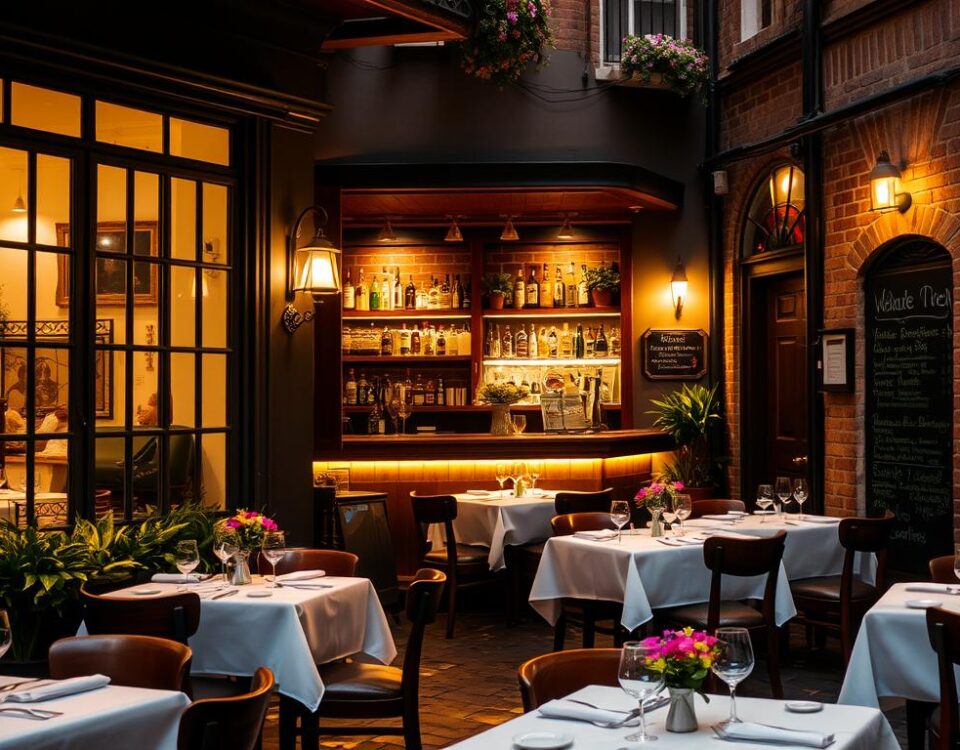
The physical environment of your restaurant communicates trustworthiness even before customers taste your food. Lighting, acoustics, and seating comfort are crucial design elements that psychologically signal quality and reliability. For instance, appropriate lighting can enhance the mood, while comfortable seating ensures that customers relax and enjoy their meal. Visual branding cohesiveness also plays a significant role in creating a consistent and trustworthy atmosphere.
Cleanliness and Hygiene Standards
Maintaining high cleanliness and hygiene standards is not just about complying with health codes; it’s a visible demonstration of your restaurant’s attention to detail and respect for customers. Ensuring that countertops, tables, seating areas, and bathrooms are spotless can significantly boost customer confidence. As “Cleanliness is next to godliness” is an old adage that still holds true in the context of restaurants. Dedicated staff who maintain these areas contribute to an overall positive dining experience.
By focusing on both design elements and cleanliness, you can create an inviting atmosphere that not only attracts customers but also fosters loyalty. This holistic approach to your restaurant’s ambiance can lead to increased customer satisfaction and a stronger emotional connection to your establishment.
Provide Outstanding Customer Service
Providing outstanding customer service is crucial for building a loyal customer base in the competitive restaurant industry. This involves creating a memorable experience for every customer, making them feel valued and appreciated.

Train Staff to Create Memorable Experiences
To deliver exceptional customer service, it’s essential to train staff to provide a warm, welcoming, and professional experience. This includes focusing on emotional intelligence and personalized customer interactions. By empowering staff to make real-time decisions, you can resolve customer issues promptly and increase trust in your restaurant brand.
- Comprehensive staff training approaches that focus on technical service skills and emotional intelligence.
- Creating “wow moments” that exceed customer expectations and become stories they share with others.
Handling Complaints with Grace
Handling complaints is a critical aspect of customer service. It’s not just about resolving issues but turning negative situations into loyalty-building interactions. By listening to customers’ concerns and responding promptly, you can show that you value their feedback and care about their experience.
- Specific scripts and approaches for turning negative situations into positive outcomes.
- Empowering staff to make decisions that resolve customer issues and build trust.
How to Build Customer Trust in Restaurants Through Digital Presence
Establishing a trustworthy digital presence is key for restaurants looking to attract and retain customers. In today’s digital landscape, a restaurant’s online presence is often the first point of contact with potential customers, making it crucial for building trust.
Website Security and Design Best Practices
A secure and well-designed website is fundamental. Ensure your site has an SSL certificate, is mobile-responsive, and loads quickly. I recommend implementing strong passwords and two-factor authentication (2FA) to protect customer data. A speedy and secure website signals professionalism and reliability, essential for building customer trust.
Social Media Engagement Strategies
Effective social media engagement humanizes your restaurant brand. Respond promptly to comments and messages, and share content that showcases your restaurant’s personality. By being active and engaging, you create authentic connections with your customers, fostering customer loyalty.
Managing Online Reviews Effectively
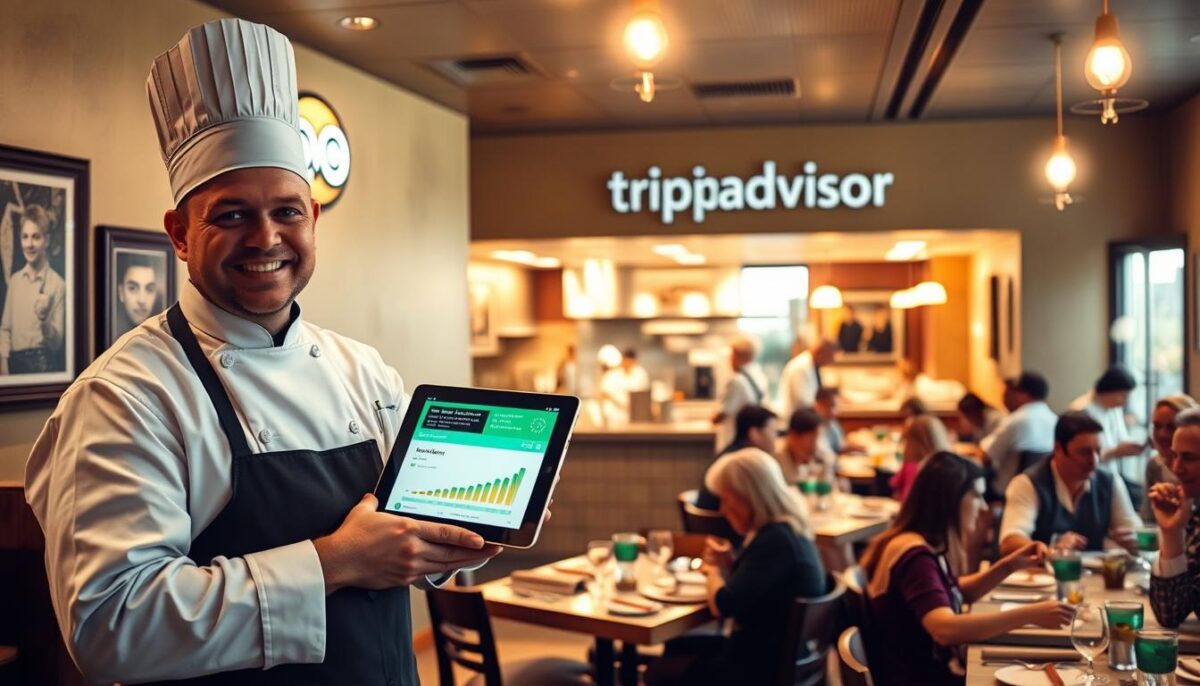
Managing online reviews is critical. Respond to both positive and negative reviews to show that you value customer feedback. This demonstrates accountability and appreciation, helping to build trust with your customers.
By focusing on these digital strategies, restaurants can build a strong foundation of trust with their customers, ultimately driving loyalty and long-term success.
Implement a Loyalty Program That Works
Implementing a loyalty program is a strategic move for restaurants to foster customer loyalty and encourage repeat business. A well-crafted loyalty program rewards customers for their continued patronage, offering discounts, exclusive offers, and free meals that increase the perceived value of your restaurant.
To create an effective loyalty program, it’s essential to understand the different types available. Types of Restaurant Loyalty Programs include points-based, tiered, and subscription models. Each has its benefits, and the choice depends on your business model and customer base.
Types of Restaurant Loyalty Programs
Points-based programs are popular among restaurant customers, as they offer a clear and straightforward way to earn rewards. Tiered programs create a sense of exclusivity, encouraging customers to reach higher levels. Subscription models provide a steady revenue stream and can be tailored to offer exclusive benefits.
Personalizing the Loyalty Experience
Personalization is key to making your loyalty program successful. By using customer data to tailor your offers and communications, you can strengthen relationships and increase customer loyalty. Consider creating a customer-facing app to make it easy for customers to track their rewards and engage with your program.
| Loyalty Program Type | Benefits | Customer Engagement |
|---|---|---|
| Points-Based | Clear rewards system | High |
| Tiered | Creates exclusivity | Medium |
| Subscription | Steady revenue stream | High |

Build Community Connections
Fostering a sense of community is a key strategy for restaurants to build customer loyalty. By creating opportunities for customers to interact with each other and with the restaurant, customers are more likely to form a connection with the restaurant and feel more invested in its success.
Hosting Special Events
Hosting special events such as wine tastings, cooking classes, or live music nights can be a great way to bring customers together and create a fun and engaging atmosphere. These events not only attract new customers but also make regular customers feel valued and appreciated.
Supporting Local Causes
Supporting local causes is another effective way to build community connections. By partnering with local organizations or charities, restaurants can demonstrate their commitment to the community and create a positive reputation. This can lead to increased customer loyalty and retention.
By building a strong sense of community, restaurants can transform into valued neighborhood institutions that customers feel emotionally invested in supporting. This, in turn, can lead to a loyal customer base and long-term success.
Conclusion: Turning Trust into Long-Term Success
Building customer trust is a multifaceted approach that can significantly impact a restaurant’s long-term success. By implementing the seven key strategies outlined in this article, restaurants can create a robust foundation for customer loyalty and repeat business. These strategies work together as an integrated system, requiring consistent attention and adaptation to changing customer expectations.
The data collected through loyalty programs, customer feedback, and digital engagement provides valuable insights for continuous improvement and personalization. Restaurants that successfully build trust enjoy multiple business benefits, including higher average checks, more referrals, and greater resilience during challenging economic periods.
To assess their current trust-building efforts, restaurant owners should identify priority areas for improvement and implement effective marketing strategies. In an era of unlimited dining options, trust has become the ultimate competitive advantage. By building customer trust, restaurants can create not only business success but also more meaningful and rewarding work for everyone involved.
FAQ
What makes a restaurant trustworthy?
A combination of factors, including exceptional food quality, a welcoming atmosphere, and outstanding customer service, contributes to making a restaurant trustworthy. When I visit a restaurant, I expect to be treated with respect and served high-quality food in a clean environment.
How can restaurants demonstrate their commitment to quality?
Restaurants can demonstrate their commitment to quality by sourcing high-quality ingredients and maintaining consistency in their menu offerings. By doing so, they show that they value their guests’ experience and are dedicated to serving the best food possible.
What role does social media play in building trust with potential guests?
Social media is a crucial tool for engaging with guests and showcasing a restaurant’s personality. By sharing behind-the-scenes content, responding to comments, and posting high-quality food images, restaurants can create a sense of community and build trust with potential guests.
How can loyalty programs help retain customers?
Loyalty programs are an effective way to retain customers by offering rewards and personalized experiences. By tailoring their loyalty programs to individual preferences, restaurants can make their guests feel valued and appreciated, encouraging them to return.
Why is it essential to manage online reviews effectively?
Managing online reviews effectively is crucial because it shows that a restaurant values its guests’ feedback and is committed to providing a great experience. By responding to both positive and negative reviews, restaurants can demonstrate their commitment to customer satisfaction and build trust with potential guests.
How can restaurants create a sense of community?
Restaurants can create a sense of community by hosting special events and supporting local causes. By doing so, they show that they are invested in the local community and care about their guests’ interests, fostering a sense of belonging and loyalty.