


Restaurant Pricing Psychology Tactics That Increase Profits Without Losing Guests
July 11, 2025
6 Fatal Mistakes First-Time Restaurant Owners Make—And How to Avoid Them
July 12, 2025

Opening a restaurant is a dream for many, but the harsh reality is that a significant number of eateries fail before they even get a chance to serve their first customer. I recall a friend who invested his life savings into a quaint Italian business that had to close down even before the grand opening due to poor location selection and inadequate marketing strategies.
Did you know that nearly 60% of restaurants fail within the first year? This staggering statistic highlights the importance of understanding the potential pitfalls that can lead to restaurants fail. The key to avoiding this fate lies in thorough preparation and a deep understanding of the business landscape.
As someone who’s navigated the challenges of the restaurant industry, I’m here to guide you through the critical steps to ensure your venture doesn’t become another statistic. By focusing on experience, marketing, and a well-crafted menu, you can significantly enhance your chances of success.
Key Takeaways
- Understand the common reasons why restaurants fail before opening.
- Learn how to conduct thorough market research and analysis.
- Discover the importance of a well-planned marketing strategy.
- Find out how to create a unique and appealing menu.
- Gain insights into effective financial planning and management.
The Alarming Statistics Behind Restaurant Failures
Understanding the statistics behind restaurant failures is crucial for anyone looking to start a successful business. The restaurant industry is known for its competitive landscape and high operational costs, making it challenging for new establishments to survive.
The statistics are stark: about 60% of restaurants shut down within the first year of operation. This high failure rate can be attributed to various factors, including undercapitalization, poor planning, and a lack of industry experience. These challenges are compounded by the fact that the national profit margins for restaurants average only 10.66%, creating a precarious financial situation for many business owners.
Understanding the 60% First-Year Failure Rate
The 60% first-year failure rate among restaurants is a significant concern. This phenomenon can be largely attributed to inadequate preparation and a lack of understanding of the reasons restaurants fail. Many new restaurant owners underestimate the financial requirements necessary to sustain their business through its initial stages, leading to cash flow problems.
Why 80% of Restaurants Close Within Five Years
The failure rate escalates to 80% within five years, highlighting the long-term challenges faced by restaurants. Factors such as changing consumer preferences, market saturation, and economic fluctuations play a significant role in this increased failure rate. Moreover, the struggle to maintain healthy cash flow and manage operational costs effectively contributes to the high attrition rate in the restaurant industry.
| Failure Rate | Time Frame | Primary Causes |
|---|---|---|
| 60% | First Year | Undercapitalization, Poor Planning, Lack of Experience |
| 80% | Five Years | Changing Consumer Preferences, Market Saturation, Economic Fluctuations |
By understanding these statistics and the underlying causes of restaurant failures, aspiring business owners can better prepare themselves for the challenges ahead. Recognizing the importance of profit margins and cash flow management is crucial for developing effective strategies to mitigate these risks.
Lack of Industry Experience: A Recipe for Disaster
Restaurant ownership requires more than just a passion for food; it demands industry-specific knowledge and experience. Many aspiring restaurateurs underestimate the complexity of running a successful restaurant business, which involves numerous moving parts, from food preparation and inventory management to staff scheduling and customer service.
The majority of restaurants are small businesses, and while past experience in running a business can be beneficial, it’s not always enough to guarantee success in the restaurant industry. An owner who hasn’t spent time waiting tables, prepping and cooking food, or sorting out inventory will be at a significant disadvantage.
The Importance of Restaurant-Specific Knowledge
Having experience in the restaurant industry is crucial because it provides insight into the day-to-day operations of a restaurant. This knowledge helps in creating realistic business plans and expectations. For instance, understanding food costs, labor laws, and customer service standards can significantly impact profitability and customer satisfaction.
| Area of Knowledge | Importance | Impact on Restaurant |
|---|---|---|
| Food Preparation | High | Quality of dishes served |
| Inventory Management | High | Control of food costs and waste |
| Staff Scheduling | Medium | Staff morale and labor costs |
| Customer Service | High | Customer satisfaction and retention |
How to Gain Experience Before Opening Your Own Place
To mitigate the risks associated with lacking industry experience, prospective restaurant owners can take several steps. Working in established restaurants can provide invaluable hands-on experience. Additionally, finding a mentor in the industry can offer guidance and insights that can help navigate the challenges of the restaurant business.
Enrolling in restaurant management courses or culinary education programs can also equip aspiring owners with the necessary skills and knowledge. Partnering with experienced professionals can further compensate for personal lack of experience, ensuring a more robust foundation for the business.
Insufficient Starting Capital: Running Out Before Taking Off
One of the most significant challenges new restaurateurs face is securing enough capital to launch and sustain their business. Opening a restaurant requires a substantial upfront investment, and without adequate funding, the venture can quickly falter.
The True Costs of Opening a Restaurant
The costs associated with opening a restaurant can be daunting, ranging from $175,500 to $750,500 depending on the size, location, and concept of the business. Many new restaurant owners drastically underestimate their capital needs, leading to early failure. It’s crucial to understand the specific startup expenses that are commonly overlooked, including permits, licenses, equipment, renovation costs, and initial inventory.
To avoid undercapitalization, it’s essential to create a comprehensive financial plan that accounts for all these expenses. This includes having sufficient operating capital to cover at least 6-12 months of expenses before the restaurant becomes profitable.
Creating a Realistic Financial Buffer
Developing accurate financial projections that account for seasonal fluctuations and market conditions is vital. A realistic financial buffer should also account for slower-than-expected growth and unexpected expenses. Various funding options beyond personal savings, including investors, loans, and alternative financing methods, should be explored to ensure proper capitalization.
Proper capitalization is one of the most critical factors in restaurant failure prevention. By understanding the true costs of opening a restaurant and creating a realistic financial buffer, new restaurateurs can significantly improve their chances of success and maintain healthy profit margins.
Poor Location Selection: Setting Up in the Wrong Spot
The success of a restaurant heavily depends on its location, with factors such as foot traffic, visibility, and accessibility playing critical roles. A well-chosen location can attract a steady stream of customers, while a poorly chosen one can doom a business to failure, regardless of the quality of its food or service.

Factors That Make a Location Unsuitable
Several factors can make a location unsuitable for a restaurant. These include low foot traffic, poor visibility, difficult access, and inadequate parking. For instance, a restaurant located in a secluded area with little foot traffic may struggle to attract customers, even if it offers excellent cuisine. Similarly, a location with poor visibility, such as a basement or a spot hidden behind other buildings, can make it challenging for potential customers to find the restaurant.
Moreover, a location that is hard to access or lacks sufficient parking can deter customers from visiting, especially in areas where alternative options are available. Demographic mismatches between the restaurant concept and the surrounding population can also lead to failure. For example, a high-end restaurant in a predominantly budget-conscious neighborhood may not attract enough customers to sustain the business.
Conducting Proper Location Research
To avoid the pitfalls of a poor location, it’s essential to conduct thorough location research. This includes analyzing traffic patterns, both vehicular and pedestrian, to determine the potential foot traffic and visibility of the location. Demographic analysis is also crucial to ensure that the restaurant concept aligns with the surrounding population’s preferences and demographics.
Additionally, evaluating the competition in the area and assessing the history of previous restaurants that have operated in the same location can provide valuable insights. By carefully considering these factors and conducting thorough research, restaurant owners can make informed decisions about their location and increase their chances of success.
Inadequate Business Planning and Vision
Failing to plan is planning to fail, especially when it comes to opening a restaurant. Many people dream of running a successful eatery, but without a clear vision and a comprehensive business plan, their dreams can quickly turn into a reality of struggle and financial strain.
A well-crafted business plan is essential for restaurant success. It serves as a roadmap, guiding every aspect of your venture from concept development to financial projections and operational strategies. Without it, you’re likely to face significant challenges, including inefficient operations and financial mismanagement.
The Consequences of Skipping the Business Plan
Skipping the business plan can have severe consequences for your restaurant. It leads to a lack of direction, making it difficult to achieve your goals. Moreover, without a clear plan, managing finances effectively becomes a challenge, potentially resulting in financial strain. At the same time, inefficient operations can increase time and resource wastage, further complicating your business.
Creating a Comprehensive Roadmap for Success
To avoid these pitfalls, it’s crucial to develop a comprehensive business plan. This involves conducting a thorough market analysis, defining your restaurant’s unique selling proposition, and creating realistic financial projections. Additionally, outlining operational strategies and marketing plans will help attract and retain customers. Regularly revisiting and updating your plan will ensure your restaurant stays on track and adapts to changes in the market.
| Key Components | Description | Importance |
|---|---|---|
| Market Analysis | Understanding your target audience and competitors | High |
| Financial Projections | Estimating revenue and expenses | High |
| Operational Strategies | Defining day-to-day operations and management | Medium |
| Marketing Plan | Attracting and retaining customers | High |
By investing time in creating a robust business plan, you’ll be better equipped to navigate the challenges of running a restaurant and achieve long-term success. This plan will not only guide your business decisions but also help in securing funding and attracting potential investors or partners.
Ineffective Restaurant Failure Prevention Strategies
Many restaurant owners unknowingly adopt ineffective strategies to prevent their business from failing. While their intentions are good, these approaches can lead to a false sense of security, ultimately contributing to the very failures they’re meant to prevent.
One common pitfall is relying on reactive strategies that address problems as they arise, rather than proactively planning for potential issues. This can lead to being caught off guard when challenges emerge, making it harder to recover.
Common Mistakes in Prevention Planning
When it comes to prevention planning, several mistakes can undermine a restaurant’s chances of success. These include inadequate risk assessment, unrealistic timelines, and failure to plan for contingencies. Focusing exclusively on one aspect of the business, such as food quality, while neglecting others like marketing or staff training, creates vulnerability.
To make sure you’re on the right track, it’s crucial to identify potential failure points before they become major issues. This involves conducting thorough risk assessments and developing contingency plans.
Building a Proactive Prevention Framework
Building a comprehensive, proactive prevention framework is key to addressing all aspects of the restaurant business. This involves implementing regular management checks and performance metrics to catch issues early. By doing so, you can adapt to changing circumstances and stay ahead of potential problems.
Effective prevention requires ongoing vigilance and adaptation, not just pre-opening planning. By being proactive and continually assessing your strategies, you can ensure the long-term success of your restaurants.
Underestimating Food and Operating Costs
Accurately estimating food and operating costs is crucial for the success of a restaurant, as underestimation can lead to financial strain. Many restaurants go out of business due to high food costs or operating expenses. The key to avoiding this fate lies in understanding the true costs involved and implementing effective cost-control measures.
Rising Food Prices: A Reality for Restaurants
Food costs are a significant expense for any restaurant, and these costs are almost always rising. Inflation can quickly erode profit margins if not properly accounted for. To mitigate this, restaurants can adopt strategies such as menu engineering, portion control, and inventory management to keep food costs in check.
- Menu engineering involves analyzing the profitability of each menu item and making adjustments to promote higher-margin dishes.
- Portion control helps reduce waste and ensures that customers are served consistent amounts.
- Inventory management involves tracking stock levels to prevent overordering and minimize spoilage.
Strategies for Controlling Operating Expenses
Beyond food costs, operating expenses such as rent, utilities, and staff wages can also erode profit margins if not managed properly. To control these expenses, restaurants can implement various strategies, including:
- Establishing relationships with reliable suppliers who offer competitive prices.
- Developing systems for tracking and controlling operating expenses on an ongoing basis.
- Regularly reviewing and adjusting menu prices to maintain profitability as costs increase.
By understanding the reality of rising food costs and implementing effective strategies for controlling operating expenses, restaurants can better navigate the challenges of the industry and maintain a healthy bottom line.
Neglecting Market Research and Competition Analysis
Failing to conduct thorough market research and competitor analysis can lead to a restaurant’s downfall. Understanding your target audience and the competitive landscape is crucial for developing a successful restaurant concept.
To launch a successful restaurant, it’s essential to understand your target market. This involves identifying demographic, psychographic, and behavioral characteristics of your potential customers. By doing so, you can tailor your restaurant’s concept, menu, and marketing strategy to meet their needs and preferences.
Understanding Your Target Market
Understanding your target market is vital for creating a restaurant concept that resonates with customers. This involves analyzing their preferences, dining habits, and expectations. By gaining insights into your target audience, you can develop a menu and dining experience that meets their needs, setting your restaurant apart from the competition.
Analyzing Competitors’ Strengths and Weaknesses
Analyzing your competitors is equally important. This involves evaluating their menus, pricing strategies, service styles, and unique selling propositions. By understanding what works for your competitors and where they fall short, you can identify opportunities to differentiate your restaurant and attract customers.
Effective competitor analysis involves gathering competitive intelligence through methods such as mystery shopping, menu analysis, and social media monitoring. By staying informed about your competitors’ activities and customer feedback, you can adjust your strategies to stay competitive.
Ultimately, thorough market research and competition analysis are essential for preventing restaurant failure. By understanding your target market and competitors, you can develop a restaurant concept that meets customer needs and stands out in a crowded market.
Poor Staff Selection and Management Practices
In the competitive restaurant industry, hiring and managing the right staff is key to achieving high customer satisfaction and loyalty. Effective staff management is not just about filling positions; it’s about creating a team that can deliver exceptional customer service consistently.
The Consequences of Poor Hiring Decisions
Hiring the wrong team members can have severe consequences for a restaurant, including poor customer service, operational inefficiencies, and increased turnover costs. When staff are not well-suited to their roles, it can lead to a decline in overall service quality, affecting customer satisfaction and loyalty.
- Poor customer service due to inadequate training or experience
- Operational inefficiencies resulting from mismatched skills
- Increased costs associated with high staff turnover rates
Building Effective Hiring and Training Protocols
To avoid these pitfalls, restaurant owners must develop effective hiring protocols that go beyond just experience and skills. This includes structured interviews, skills assessments, and trial shifts to gauge a candidate’s fit for the role and the restaurant culture.
Moreover, comprehensive training programs are essential to ensure that all employees understand the operational standards and customer service expectations. By investing in staff development and creating growth opportunities, restaurant owners can increase retention rates and enhance service quality.
Effective management practices, including clear communication, fair scheduling, and appropriate delegation of responsibilities, are also crucial for maintaining a positive work culture and reducing the industry-standard 75% annual turnover rate.
Inadequate Marketing and Brand Development
Inadequate marketing is a common reason for restaurant failures, emphasizing the need for a well-planned marketing approach from the outset. A restaurant’s marketing strategy plays a crucial role in attracting and retaining customers, making it essential to develop a comprehensive plan that covers both online and offline channels.
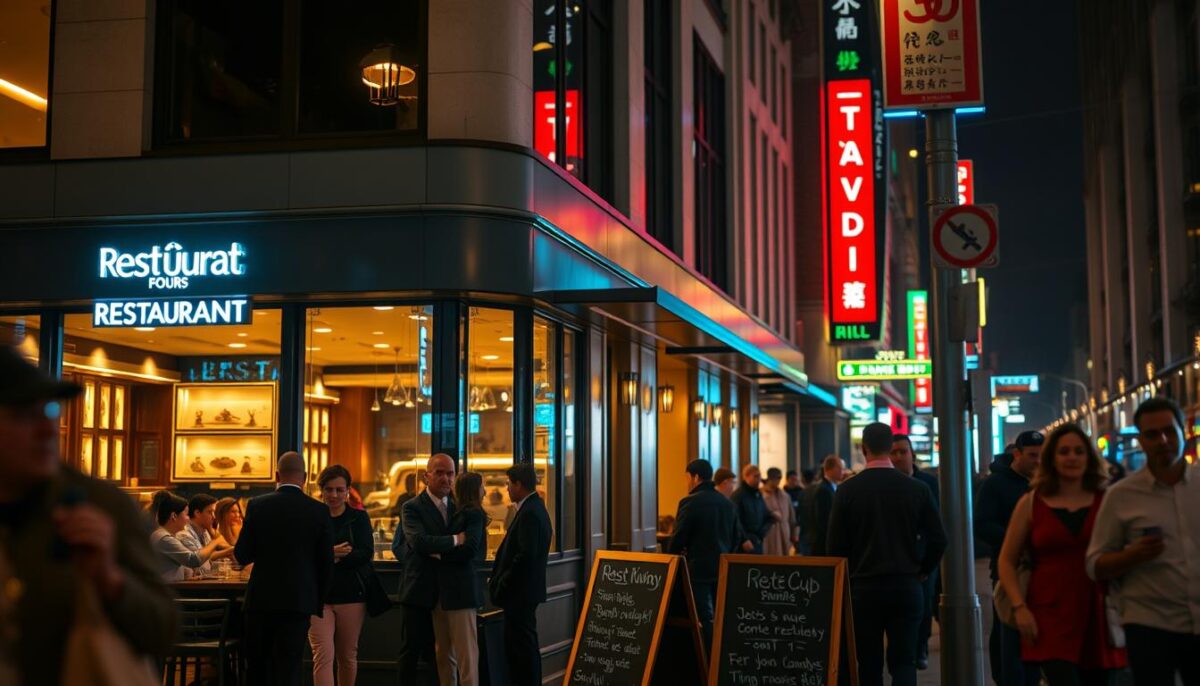
Effective marketing for a restaurant begins long before the doors open. It’s not just about promoting the business; it’s about building a brand that resonates with the target audience. A strong brand identity helps create anticipation and excitement, driving customer traffic on opening day and beyond.
Why Marketing Can’t Wait Until After Opening
Waiting until after opening to start marketing can lead to low initial customer traffic and missed opportunities to build anticipation. Pre-opening marketing helps create a buzz around the restaurant, generating interest and encouraging potential customers to visit. Some effective pre-opening marketing tactics include soft openings, media outreach, community engagement, and influencer partnerships.
- Soft openings allow you to test systems and train staff while generating early buzz.
- Media outreach helps secure coverage in local publications and food blogs.
- Community engagement builds goodwill and generates interest among local residents.
- Influencer partnerships can help reach a wider audience and create a positive first impression.
Developing a Pre-Opening Marketing Strategy
To develop a comprehensive pre-opening marketing strategy, start by establishing an online presence through website development and social media platforms. Your website should include essential information such as menus, hours of operation, and contact details. Social media accounts can be used to share updates, behind-the-scenes content, and engage with potential customers.
Allocating a sufficient budget for marketing activities is crucial, both pre-opening and ongoing. Regularly measuring marketing effectiveness and adjusting strategies based on results will help optimize your marketing efforts and drive long-term success for your restaurant.
Failing to Embrace Technology and Innovation
In today’s fast-paced restaurant industry, embracing technology is no longer a choice but a necessity for survival. The success of a restaurant now heavily depends on its ability to adopt and integrate innovative technologies that streamline processes, enhance customer experience, and drive business efficiency.
Failing to implement essential restaurant technologies can put new restaurants at a competitive disadvantage from day one. Outdated systems and manual processes not only waste time and money but also deter customers who expect a seamless and modern dining experience.
Essential Restaurant Technologies for 2023
The restaurant industry has seen a significant shift towards technology adoption, with several key systems emerging as essential for 2023. These include:
- Advanced Point-of-Sale (POS) systems that integrate with inventory management and customer relationship management tools.
- Reservation platforms that allow for online booking and real-time table management.
- Inventory management software that tracks stock levels, monitors waste, and automates ordering processes.
- Customer Relationship Management (CRM) tools that help personalize marketing efforts and improve customer engagement.
Implementing Systems That Drive Efficiency
Implementing the right technology solutions is crucial, but it’s equally important to ensure that these systems work together seamlessly. Integrated systems can significantly reduce operational costs, improve service quality, and enhance the overall customer experience.
| Technology | Benefits | Impact on Business |
|---|---|---|
| Advanced POS Systems | Streamlined checkout, inventory tracking | Reduced labor costs, improved accuracy |
| Reservation Platforms | Efficient table management, reduced no-shows | Increased revenue, improved customer satisfaction |
| Inventory Management Software | Automated ordering, waste reduction | Lower food costs, minimized waste |
By embracing technology and innovation, restaurants can not only prevent failure but also thrive in a competitive market. It’s about making informed decisions based on data analysis, improving operational efficiency, and providing an exceptional customer experience.
Ignoring Customer Feedback and Market Trends
In the competitive world of restaurants, customer feedback is not just valuable, it’s vital. As a restaurant owner, understanding what your customers want and need is crucial for success. This involves more than just serving food; it’s about creating an experience that keeps customers coming back.

The Cost of Not Listening to Your Market
Ignoring customer feedback and market trends can have significant costs for a restaurant. When you fail to listen to your customers, you risk losing them to competitors who are more in tune with their needs. This can lead to wasted resources on menu items or services that aren’t appreciated by your target market. As the famous restaurateur, Danny Meyer, once said, “The best restaurateurs are not just serving food, they’re creating a memorable experience.”
“The best restaurateurs are not just serving food, they’re creating a memorable experience.” – Danny Meyer
Not listening to customer feedback can result in a decline in customer satisfaction, leading to negative reviews and a loss of reputation. On the other hand, actively seeking and incorporating customer feedback can help you identify areas for improvement and opportunities to innovate. For instance, you might discover that a particular menu item is consistently receiving negative feedback, allowing you to adjust your menu accordingly.
Creating Feedback Loops Before You Open
Creating effective feedback loops before your restaurant opens can set you up for success. This can involve conducting market research through surveys, focus groups, and concept testing to understand your target audience’s preferences. You can also host soft openings or menu tastings to gather feedback on your service, food quality, and overall dining experience.
By engaging with your customers early on, you can refine your offerings and ensure that your restaurant meets their expectations. This proactive approach not only helps in creating a loyal customer base but also in making necessary adjustments before you officially launch. As a result, you’ll be better positioned to attract and retain customers, ultimately driving the success of your restaurant.
To achieve this, it’s essential to be responsive to customer feedback and market trends. This means regularly monitoring industry trends and adapting your concept accordingly. By doing so, you’ll be able to stay ahead of the competition and ensure that your restaurant remains relevant and appealing to your target market.
Overlooking Legal and Regulatory Requirements
Restaurant owners often overlook the importance of legal and regulatory compliance, which can lead to severe consequences. Ensuring that your restaurant is compliant with all relevant laws and regulations is crucial for its success and longevity.
Common Compliance Issues That Sink New Restaurants
New restaurants often face a myriad of compliance issues that can lead to their downfall. Some of the most common issues include health code violations, liquor license requirements, employment laws, and tax regulations. For instance, failing to comply with health codes can result in fines and even forced closure. Similarly, not adhering to employment laws can lead to labor lawsuits, which can be costly and damage the restaurant’s reputation.
- Health code violations can lead to fines and forced closure.
- Liquor license requirements must be met to avoid legal issues.
- Employment laws regulate working conditions, wages, and benefits.
- Tax regulations require accurate financial reporting and payment.
Creating a Compliance Checklist
To avoid these issues, it’s essential to create a comprehensive compliance checklist. This checklist should cover all aspects of legal and regulatory requirements, including health and safety codes, employment laws, and tax regulations. By having a veteran restaurateur on your team, you can ensure that you’re meeting all the necessary compliance standards. Additionally, establishing systems for ongoing compliance monitoring and documentation can help prevent costly violations and disruptions.
By making sure you have a thorough understanding of the legal and regulatory landscape, you can save time and costs associated with non-compliance. This proactive approach can help your restaurant business thrive and avoid unnecessary issues related to labor laws and other regulations.
Poor Cash Flow Management and Financial Controls
One of the primary reasons restaurants fail is poor cash flow management, which can lead to an inability to pay staff, suppliers, and other essential expenses. As a restaurant owner, managing cash flow effectively is crucial to maintaining a healthy and sustainable business.
As the data suggests, “Accounting not only keeps you financially solvent, but it also keeps you out of legal trouble with the Internal Revenue Service and other authorities.” In the restaurant industry, where many workers receive tips, paying legal wages and accounting for cash payments is crucial. This emphasizes the importance of setting up proper accounting systems and financial controls from the outset.
Setting Up Proper Accounting Systems
To manage cash flow effectively, it’s essential to have a robust accounting system in place. This includes integrating your point-of-sale system with your accounting software, tracking expenses, and managing payroll. By doing so, you can ensure that your financial data is accurate, up-to-date, and easily accessible.
As I always say, “A well-managed cash flow is essential for a restaurant’s success, as it allows owners to navigate financial challenges and maintain a competitive edge.” Implementing the right accounting systems can help you achieve this. Some key components of proper restaurant accounting systems include:
- Point-of-sale integration to track sales and revenue accurately
- Expense tracking to monitor and control costs
- Payroll management to ensure timely and accurate staff compensation
Monitoring Financial Health Indicators
In addition to setting up proper accounting systems, it’s crucial to monitor key financial health indicators regularly. These include food cost percentage, labor cost percentage, and prime cost. By keeping a close eye on these metrics, you can identify areas for improvement and make informed decisions to optimize your restaurant’s financial performance.
For instance, if your labor costs are too high, you may need to adjust your staffing levels or implement more efficient scheduling practices. Similarly, if your food costs are rising, you may need to renegotiate with suppliers or adjust your menu pricing.
By combining effective cash flow management with robust financial controls, you can ensure that your restaurant remains financially stable and poised for long-term success. As a restaurant owner, it’s essential to work with accountants and financial advisors who specialize in the restaurant industry to get the best advice on managing your cash flow and financial controls.
“The key to a successful restaurant is not just about serving great food, but also about managing your finances effectively.” By prioritizing cash flow management and financial controls, you can build a thriving restaurant business that beats the odds.
Conclusion: Building a Restaurant That Beats the Odds
Building a thriving restaurant business requires a holistic approach that addresses the myriad factors contributing to failure. Throughout this article, we’ve explored the key reasons restaurants fail before they even open their doors, from lack of industry experience to poor location selection and inadequate financial planning.
To make sure your restaurant succeeds, it’s crucial to develop a comprehensive business plan, secure adequate capitalization, and implement effective marketing strategies. Additionally, focusing on customer service and quality can help differentiate your establishment from competitors and attract a loyal customer base.
The statistics on restaurants fail may seem daunting, but by understanding the reasons restaurants fail and taking proactive steps to mitigate these risks, aspiring owners can significantly improve their chances of success. It’s about being aware of the potential pitfalls and being prepared to address them head-on.
Ultimately, the rewards of restaurant ownership can be substantial for those who are willing to put in the effort to plan carefully, adapt to feedback, and continuously improve their operations. By following the strategies outlined in this article, you can build a business that not only survives but thrives in the competitive culinary landscape.
With careful planning, passion, and perseverance, you can beat the odds and create a successful restaurant that delights customers and stands the test of time.
FAQ
What are the most common reasons restaurants fail in their first year?
I believe that a lack of industry experience, insufficient starting capital, and poor location selection are among the top reasons. In my experience, many restaurateurs underestimate the costs and challenges associated with opening a successful eatery.
How can I gain experience in the restaurant industry before opening my own business?
To gain experience, I recommend working in various roles within the industry, such as serving, bartending, or managing. You can also consider taking courses or attending workshops on restaurant management, food preparation, and customer service.
What are some essential elements of a comprehensive business plan for a restaurant?
A solid business plan should include a detailed market analysis, financial projections, marketing strategies, and operational plans. It’s also crucial to outline your target audience, menu offerings, and pricing.
How can I ensure I’m allocating enough capital to get my restaurant off the ground?
To determine the right amount of starting capital, I suggest creating a detailed financial plan that accounts for all startup costs, including equipment, rent, staffing, and marketing expenses. It’s also wise to build in a buffer for unexpected expenses.
What factors should I consider when selecting a location for my restaurant?
When evaluating a location, I consider factors such as foot traffic, competition, demographics, and accessibility. It’s also essential to assess the local market trends and consumer behavior.
How can I control labor costs and optimize staffing?
To manage labor costs effectively, I recommend implementing efficient scheduling systems, cross-training staff, and monitoring sales data to adjust staffing levels accordingly.
What role does technology play in a successful restaurant business?
In my opinion, technology is crucial for streamlining operations, improving customer service, and enhancing the overall dining experience. Implementing systems like online ordering, inventory management, and customer feedback tools can help drive efficiency and boost sales.
How can I stay competitive in a crowded restaurant market?
To stay ahead of the competition, I focus on developing a unique brand identity, offering high-quality menu items, and providing exceptional customer service. I also prioritize staying up-to-date on market trends and consumer preferences.
What are some effective strategies for managing cash flow and financial controls?
To manage cash flow effectively, I recommend setting up a robust accounting system, monitoring financial health indicators, and maintaining a cash reserve to cover unexpected expenses.