



Why a Slow Online Ordering System Can Be Harmful to Sales
October 4, 2025
Ultimate Guide to Buying Restaurant Equipment on a Budget
October 5, 2025

I still remember the day I discovered that a faulty commercial freezer was silently draining my restaurant’s profits. It was a wake-up call that led me to understand the importance of regular maintenance checks on our kitchen equipment.
Did you know that inefficient equipment can increase energy consumption by up to 30%? This not only hurts your bottom line but also impacts the environment. By conducting a thorough equipment audit, you can identify areas of inefficiency and take corrective action to prevent costly repairs and extend the lifespan of your equipment.
So, how can you ensure that your kitchen operations are running smoothly and profitably? The answer lies in implementing a systematic checklist to identify and address potential issues before they become major problems.
Key Takeaways
- Regular equipment maintenance can significantly reduce energy consumption and costs.
- A comprehensive audit helps identify potential safety hazards in the kitchen.
- Implementing a systematic checklist ensures that all equipment is properly maintained.
- Effective equipment management leads to improved kitchen operations and performance.
- A well-maintained kitchen is essential for serving high-quality food.
Understanding the Financial Impact of Equipment Inefficiencies
Restaurant equipment inefficiencies can result in considerable financial losses, emphasizing the need for regular maintenance. As a restaurant owner, it’s crucial to understand how equipment issues can affect your bottom line.
The Hidden Costs of Neglected Equipment
Neglected equipment can lead to a range of hidden costs, including increased energy consumption and reduced equipment lifespan. For instance, a poorly maintained ice machine can waste thousands of gallons of water annually while producing less ice. Regular equipment inspection can help identify potential issues before they cause significant problems.
How Equipment Issues Directly Affect Your Bottom Line
Equipment downtime creates operational bottlenecks that reduce service capacity and potentially drive customers away, directly impacting revenue. Inefficient equipment often requires more labor hours to operate and clean, increasing payroll expenses unnecessarily. The relationship between equipment performance and product consistency is also critical, as inconsistent cooking temperatures can lead to food waste and customer dissatisfaction.
To mitigate these issues, it’s essential to calculate the true cost of equipment issues by factoring in direct repair costs, operational inefficiencies, and lost revenue opportunities. By doing so, restaurants can identify areas for improvement and implement corrective measures to reduce costs and enhance profitability.
The Benefits of Regular Restaurant Equipment Audits
By implementing regular restaurant equipment audits, restaurants can avoid costly repairs and maintain high food safety standards. Regular audits help in identifying potential issues before they become major problems, thus ensuring that the equipment operates efficiently and safely.
Extending Equipment Lifespan and Reducing Replacement Costs
Regular audits play a crucial role in extending the lifespan of restaurant equipment. By ensuring that equipment is properly maintained, restaurants can reduce the need for premature replacements. This not only saves money but also reduces waste. A well-maintained piece of equipment can last significantly longer than one that is neglected.
Improving Operational Efficiency and Energy Consumption
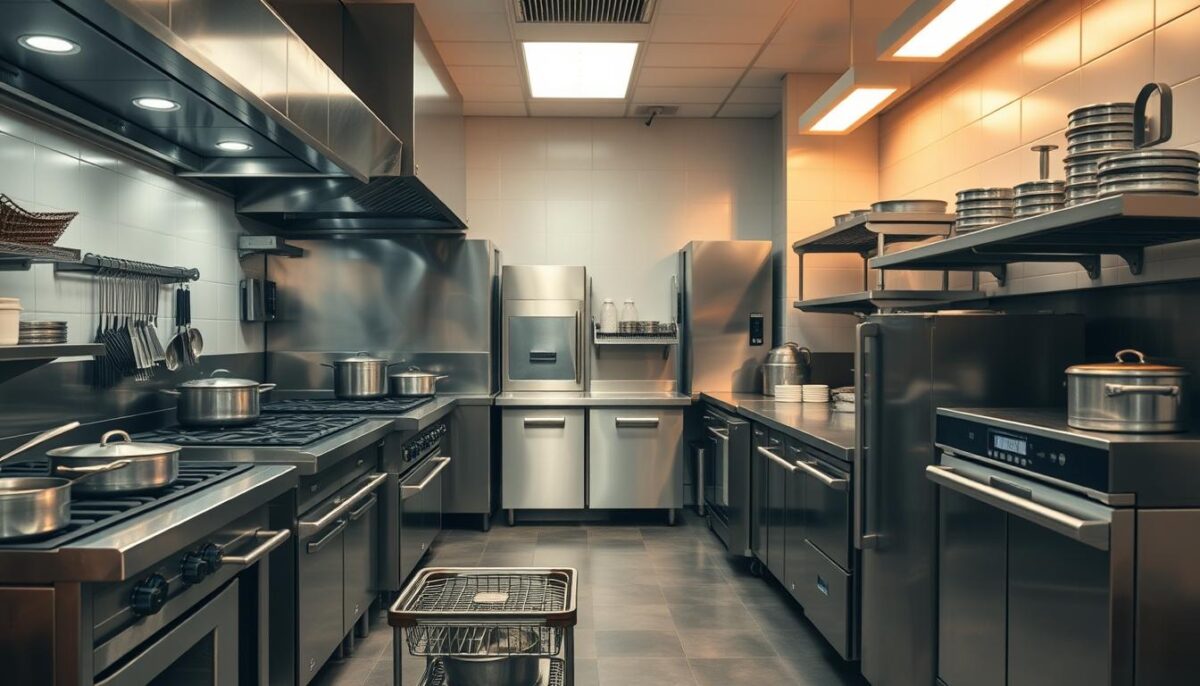
Regular equipment audits help in identifying inefficiencies in energy consumption and operational performance. By optimizing equipment performance, restaurants can reduce their energy bills and enhance their overall operational efficiency. This is achieved by ensuring that all equipment is functioning as intended and that there are no leaks or other issues causing unnecessary energy loss.
| Equipment | Energy Consumption | Operational Efficiency |
|---|---|---|
| Refrigeration Units | High | Optimal |
| Cooking Equipment | Medium | Good |
| Dishwashing Machines | Low | Fair |
Ensuring Food Safety and Regulatory Compliance
Food safety is paramount in any restaurant, and regular equipment audits are crucial in maintaining high food safety standards. Audits help ensure that all equipment is properly cleaned, maintained, and functioning correctly, thereby reducing the risk of foodborne illnesses. Compliance with health regulations is also ensured through regular audits, as they provide a record of equipment maintenance and inspection.
Using a comprehensive checklist during audits can help identify potential cross-contamination risks and ensure that equipment is properly calibrated and maintained. This proactive approach not only enhances food safety but also supports regulatory compliance.
Essential Equipment to Include in Your Restaurant Equipment Audit
To ensure a thorough restaurant equipment audit, several key equipment types must be inspected and assessed. These include food preparation equipment, refrigeration and storage systems, cooking equipment and ventilation systems, and dishwashing and sanitation equipment.
Food Preparation Equipment
Food preparation equipment is a critical component of any commercial kitchen. Regular audits of this equipment, such as mixers, slicers, and food processors, are essential to ensure they are in good working condition. I check for signs of wear, proper calibration, and adherence to health and safety standards. Maintenance tasks, such as cleaning and lubricating moving parts, are vital to prolonging the lifespan of this equipment.
Refrigeration and Storage Systems
Refrigeration and storage systems are crucial for maintaining food safety and quality. During an audit, I inspect the temperature controls, door seals, and overall condition of these systems. Ensuring that refrigeration units are at the correct temperature is vital for preventing food spoilage and maintaining a safe environment for food storage.
Cooking Equipment and Ventilation Systems
Cooking equipment, including ovens, stoves, and fryers, requires regular inspection to ensure efficient operation. Additionally, ventilation systems, such as exhaust hoods and kitchen air makeup units, must be audited to maintain specific ventilation requirements. I check for proper installation, maintenance records, and compliance with local regulations.
Dishwashing and Sanitation Equipment
Dishwashing and sanitation equipment is essential for maintaining hygiene standards in a commercial kitchen. Key components to audit include wash and rinse temperature controls, water pressure, chemical dispensers, and waste traps. Regular cleaning and maintenance tasks, such as descaling and checking sanitization effectiveness, are crucial for ensuring health code compliance.
| Equipment Type | Key Audit Components | Maintenance Tasks |
|---|---|---|
| Food Preparation | Signs of wear, calibration, health and safety standards | Cleaning, lubricating moving parts |
| Refrigeration and Storage | Temperature controls, door seals, overall condition | Temperature checks, seal replacement |
| Cooking and Ventilation | Installation, maintenance records, compliance | Filter cleaning, duct inspection |
| Dishwashing and Sanitation | Wash and rinse temperature, water pressure, chemical dispensers | Descaling, sanitization checks |
By thoroughly auditing these essential equipment categories and performing regular maintenance and cleaning tasks, restaurants can ensure compliance with health and safety regulations, reduce energy consumption, and prolong equipment lifespan.
Step-by-Step Guide to Conducting a Restaurant Equipment Audit
A thorough restaurant equipment audit is the foundation of a successful kitchen operation, helping to identify potential issues before they become major problems. This guide will walk you through the essential steps to ensure your equipment is in top condition.
Create a Comprehensive Equipment Inventory
Creating a detailed inventory of your restaurant equipment is the first step in conducting an effective audit. This involves listing all equipment, including food preparation, refrigeration, cooking, and dishwashing equipment. I recommend using a checklist to ensure that every piece of equipment is accounted for. By doing so, you’ll be able to identify what’s in place, its condition, and what needs attention.
Establish Performance Benchmarks and Standards
To evaluate the performance of your equipment effectively, you need to establish clear benchmarks and standards. This includes understanding the manufacturer’s specifications, industry standards, and your restaurant’s specific operational needs. By setting these benchmarks, you’ll be able to assess whether your equipment is operating efficiently and safely. Regular maintenance is key to meeting these standards.
Develop Inspection Checklists for Each Equipment Category
Developing detailed inspection checklists for each category of equipment is crucial. These checklists should be tailored to the specific needs and risks associated with each type of equipment. For instance, cooking equipment may require checks for wear and tear on heating elements, while refrigeration units may need checks for temperature consistency. Using a checklist ensures that inspections are thorough and consistent.
Schedule Regular Audit Intervals
Scheduling regular audits is vital to maintaining the health of your kitchen equipment. The frequency of these audits depends on the type of equipment, its usage, and the manufacturer’s recommendations. For high-use equipment like ovens and fryers, monthly inspections may be necessary, while less frequently used equipment might only require checks every six months. Creating a schedule that balances thoroughness with operational practicality is essential. It’s also important to integrate these audits into your operations to minimize disruption.
By following these steps and incorporating regular audits into your restaurant operations, you’ll be able to prevent unexpected breakdowns, reduce maintenance costs, and ensure compliance with health and safety standards. Remember, a well-maintained kitchen is the heart of a successful restaurant.
Key Areas to Evaluate During Your Equipment Audit
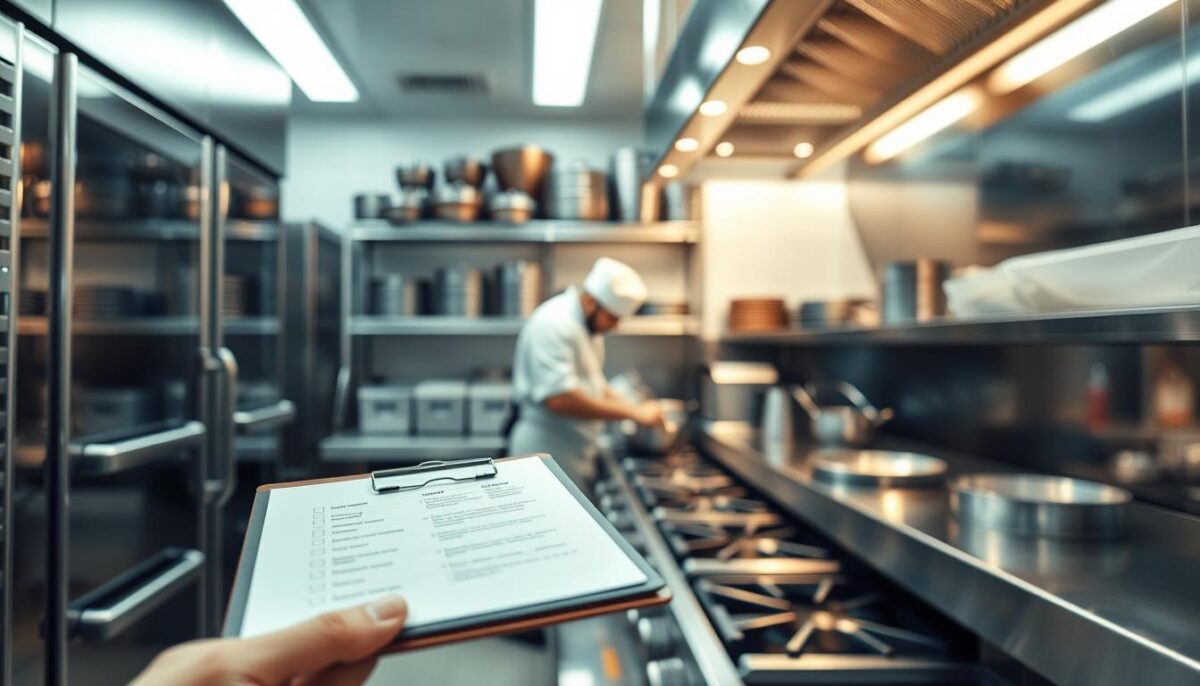
During an equipment audit, focusing on the right areas can help you uncover hidden profit leaks and improve overall performance. A comprehensive evaluation is crucial for ensuring that your restaurant equipment is running efficiently, safely, and in compliance with regulatory standards.
Equipment Performance and Efficiency Metrics
Evaluating equipment performance involves assessing metrics such as output, speed, and energy consumption. By analyzing these metrics, you can identify inefficiencies and opportunities for improvement, ultimately enhancing your restaurant’s productivity and reducing waste.
Maintenance History and Repair Frequency
Reviewing the maintenance history and repair frequency of your equipment is vital for understanding its reliability and identifying potential issues before they become major problems. This information can help you develop a more effective maintenance schedule and reduce downtime.
Energy Consumption and Utility Costs
Assessing energy consumption and utility costs associated with your equipment can reveal opportunities for cost savings. By optimizing energy usage, you can lower your utility bills and reduce your restaurant’s environmental impact.
Compliance with Health and Safety Standards
Ensuring compliance with health and safety standards is critical for protecting your customers and staff. This includes evaluating equipment cleaning protocols, verifying the functionality of safety features, and checking for compliance with food safety regulations. Regular audits help prevent foodborne illnesses and other health hazards, maintaining a safe environment in your restaurant.
To ensure compliance, it’s essential to document all checks and maintenance activities. This not only demonstrates due diligence in food safety management but also helps you avoid citations during official inspections. Key areas to focus on include temperature maintenance, sanitization effectiveness, and cross-contamination prevention.
By thoroughly evaluating these key areas during your equipment audit, you can identify areas for improvement, ensure compliance with health and safety standards, and ultimately enhance your restaurant’s profitability and reputation.
Tools and Technology for Effective Equipment Auditing

Leveraging technology can significantly enhance the equipment audit process in restaurants. By adopting the right tools and technologies, restaurants can improve the efficiency, accuracy, and effectiveness of their equipment audits.
Digital Maintenance Management Systems
Digital maintenance management systems are crucial for maintaining comprehensive records of equipment maintenance and scheduling future inspections. Tools like Boh’s app allow restaurants to stay on top of maintenance tasks, reducing the likelihood of unexpected equipment breakdowns.
Temperature Monitoring and Energy Usage Tools
Temperature monitoring and energy usage tools help restaurants optimize their equipment performance and reduce energy consumption. These tools provide real-time data on equipment operation, enabling prompt identification of issues and implementation of corrective actions.
Mobile Inspection Applications
Mobile inspection applications transform the equipment audit process by replacing paper checklists with digital forms accessible on smartphones or tablets. Key features to look for include photo documentation, signature capture, automatic timestamp, and offline functionality.
These applications improve audit consistency by standardizing inspection procedures and eliminating subjective interpretation of checklist items. When selecting a mobile inspection solution, consider your restaurant’s size, complexity, and technical capabilities.
By leveraging these tools and technologies, restaurants can enhance their equipment audit processes, improve staff accountability, and reduce maintenance costs. The data collected through these applications can be analyzed to identify trends, prioritize maintenance needs, and demonstrate regulatory compliance.
Identifying and Addressing Common Equipment Profit Leaks
Equipment inefficiencies can silently drain a restaurant’s profits, making regular audits essential. By identifying and addressing common profit leaks, restaurant owners can significantly improve their bottom line.
Excessive Energy Consumption Issues
One of the most significant profit leaks in restaurants is excessive energy consumption. Outdated or malfunctioning equipment can consume more energy than necessary, leading to higher utility bills. To address this, I recommend conducting an energy audit to identify areas of inefficiency and replacing or upgrading equipment to more energy-efficient models.
Preventable Maintenance and Repair Costs
Regular maintenance is crucial to preventing costly repairs and reducing downtime. By implementing a preventative maintenance program, restaurants can extend the lifespan of their equipment and avoid unexpected repair costs. This includes tasks such as cleaning, lubricating, and inspecting equipment regularly.
Inefficient Equipment Layout and Workflow
The layout of equipment in a restaurant kitchen can significantly impact workflow efficiency. An inefficient layout can lead to wasted time and energy, ultimately affecting profitability. To optimize workflow, I suggest analyzing the kitchen layout and rearranging equipment to minimize unnecessary movement and streamline food preparation.
Outdated Equipment That Needs Replacement
Outdated equipment not only consumes more energy but also compromises food quality and safety. To determine when equipment should be replaced, I consider factors such as repair frequency, parts availability, and efficiency comparison. Developing a strategic equipment replacement plan can help prioritize replacements based on critical importance and return on investment potential.
To maximize savings, it’s essential to time equipment purchases strategically, taking advantage of seasonal deals, tax benefits, or manufacturer incentives. When evaluating new equipment, consider not just the purchase price but also the total cost of ownership, including energy efficiency, maintenance requirements, and expected lifespan.

Upgrading to modern equipment can provide numerous benefits beyond cost savings, including improved food quality, enhanced safety features, and better staff morale. By addressing common equipment profit leaks, restaurants can improve their overall efficiency, reduce costs, and enhance their bottom line.
Implementing a Preventative Maintenance Program Based on Audit Findings
After completing your restaurant equipment audit, the next step is to create a tailored maintenance plan. This plan will help you address the identified issues and prevent future equipment failures.
Creating Maintenance Schedules for Different Equipment Types
Developing a maintenance schedule is crucial for ensuring that all equipment is properly maintained. This involves creating a comprehensive checklist that outlines the maintenance tasks for each piece of equipment, including frequency and responsible personnel.
Training Staff on Equipment Care and Early Problem Detection
Training your staff on equipment care and maintenance is vital for preventing equipment failures. This includes educating them on early problem detection and the importance of reporting any issues promptly.
Documenting Maintenance Procedures and Repairs
Maintaining accurate records of maintenance activities is essential for ensuring compliance with regulatory requirements and optimizing equipment performance. This involves creating a documentation system that tracks all maintenance tasks, repairs, and replacements.
By implementing a preventative maintenance program, you can reduce downtime, lower repair costs, and extend the lifespan of your equipment. This, in turn, will help you maintain a smooth-running kitchen and provide better service to your customers.
- Develop a comprehensive maintenance schedule
- Train staff on equipment care and maintenance
- Implement a documentation system for maintenance records
Conclusion: Transforming Your Equipment Audit into Long-Term Savings
Regular restaurant equipment audits can help you identify and address hidden profit leaks, leading to improved bottom-line performance. By creating a virtuous cycle of better maintenance, extended equipment life, and enhanced food safety, you can ensure the longevity and efficiency of your equipment. To get started, begin with critical equipment and gradually expand your audit to encompass your entire operation. This ongoing process will help reduce costs and improve overall food quality. Start your equipment audit journey today and transform your restaurant‘s efficiency and profitability.
FAQ
What is the importance of conducting regular kitchen equipment maintenance?
Regular maintenance ensures that my kitchen equipment is in good working condition, reducing the risk of breakdowns and improving overall food safety.
How often should I inspect my food storage areas?
I should inspect my food storage areas regularly to ensure that they are clean, dry, and at the correct temperature to prevent pest control issues and maintain hygiene standards.
What are the benefits of using digital maintenance management systems for my kitchen equipment?
Using digital maintenance management systems helps me stay on top of maintenance tasks, reduce downtime, and improve overall equipment performance.
How can I ensure compliance with health and safety standards in my kitchen?
To ensure compliance, I need to regularly review and update my checklists, train my staff on food handling and safety procedures, and conduct regular inspections.
What are some common equipment profit leaks that I should be aware of?
Common profit leaks include excessive energy consumption, preventable maintenance and repair costs, and inefficient equipment layout and workflow.
How can I improve operational efficiency in my kitchen?
To improve operational efficiency, I should focus on optimizing my equipment layout, streamlining my workflow, and providing regular training to my staff.