


How to Audit Your Restaurant Equipment for Hidden Profit Leaks
October 4, 2025
I Tested 5 Platforms—The Best Restaurant POS System Revealed
October 5, 2025

Opening a restaurant can be a costly endeavor, with initial investments running into hundreds of thousands of dollars. One of the most significant expenses is kitchen equipment. However, with careful planning and smart decisions, it’s possible to equip your restaurant without breaking the bank.
Did you know that the average cost of equipment for a new restaurant can range from $100,000 to $300,000? This substantial outlay can be a significant burden for new business owners. By understanding how to prioritize your spending and make cost-effective choices, you can significantly reduce this financial strain.
As someone who’s been in the industry for years, I’ll walk you through the process of selecting the right equipment for your kitchen while staying within your budget. What if you could save thousands of dollars without compromising on quality?
Key Takeaways
- Understand the true cost of ownership beyond the initial price tag.
- Prioritize your spending on essential equipment.
- Make cost-effective choices to reduce financial strain.
- Balance quality and affordability when selecting equipment.
- Avoid common purchasing mistakes that can drain your startup capital.
Assessing Your Restaurant Equipment Needs
A critical step in planning your restaurant is assessing what equipment you’ll need to deliver your menu effectively. There’s no one-size-fits-all list, as the exact tools and equipment depend on the type of food served and the service style.
Matching Equipment to Your Menu and Service Style
Your menu is your best guide in determining equipment needs. For instance, a full-service restaurant and a quick-service burger joint have different requirements. To start, categorize equipment into major sections: cooking equipment, refrigeration, food prep, storage, dishwashing, and front-of-house needs.
For each menu item, list every piece of equipment needed from preparation to plating. This process reveals your true equipment requirements and helps in creating a comprehensive list.
Creating a Comprehensive Equipment Checklist
To ensure nothing is overlooked, I’ve developed a systematic approach to creating an equipment checklist. Start by including small wares and utensils, as these can add up quickly in your budget. Consider seasonal menu changes and their impact on equipment needs throughout the year.
Your checklist should include specifications for each piece of equipment, such as size, capacity, and power requirements. Reviewing your list with experienced kitchen staff or consultants can help identify missing items or suggest more efficient alternatives.
Essential Restaurant Equipment: What You Really Need
Equipping your restaurant on a budget requires a clear understanding of the essential equipment needed to support your menu and service style. “The key to successful restaurant equipment purchasing is identifying the essential pieces that directly support your menu and operational flow,” a principle that guides my approach to equipping restaurants.
Once you have a clear picture of your operational needs, you can start making informed decisions about the equipment that will best serve your restaurant.
Must-Have Kitchen Equipment for Different Restaurant Types
The type of kitchen equipment you need largely depends on the type of restaurant you’re operating. For instance, a high-volume restaurant will require more robust equipment, such as commercial-grade ovens and refrigerators, to keep up with demand. In contrast, a smaller eatery might manage with more compact equipment. I’ve found that prioritizing energy-efficient equipment not only reduces operational costs but also supports a more sustainable business model.
- Commercial ovens and stoves for food preparation
- Refrigeration units to keep ingredients fresh
- Dishwashers to maintain hygiene and efficiency
Front-of-House Essentials That Won’t Break the Bank
Front-of-house equipment is just as crucial as kitchen equipment, as it directly impacts customer experience. When selecting POS systems, tableware, and other front-of-house essentials, it’s essential to balance quality with budget considerations. For example, choosing versatile and durable tableware can help keep costs manageable while maintaining a cohesive aesthetic. I’ve saved money by purchasing standard glassware in bulk rather than opting for specialty glasses for each beverage type.
- POS systems that integrate well with other systems
- Durable tableware that complements your restaurant’s concept
- Host stands and menu boards that contribute to a positive first impression
New vs. Used Equipment: Making the Smart Choice
When it comes to equipping your restaurant, one of the most critical decisions you’ll make is whether to buy new or used equipment. This decision can significantly impact your initial investment, operational costs, and overall efficiency.
Pros and Cons of Buying New Equipment
Buying new equipment means you’re getting the latest technology and top-notch energy efficiency, which can lead to some nice long-term savings on your utility bills. The main hurdle with new gear is usually the higher upfront cost. New equipment also typically comes with a manufacturer’s warranty, reducing the risk of immediate maintenance costs.
When Used Equipment Makes Sense
Used equipment can be considerably cheaper, allowing you to save a good chunk of money initially. However, it’s wise to be aware of potential hidden costs, such as unexpected repairs or more frequent maintenance needs. I’ve found that buying used equipment from reputable sellers or refurbished models can offer the best value.
What to Inspect When Buying Pre-Owned Items
When buying used equipment, it’s crucial to inspect it thoroughly. I’ve developed a thorough inspection checklist that has saved me from many potentially costly mistakes. Always check the age, brand, and model of any used equipment, and insist on seeing it in operation before purchase.
Key factors to inspect include the condition of critical components, signs of wear or damage, and the availability of manuals and maintenance records. For specific types of equipment, such as refrigeration or cooking equipment, there are additional checks to ensure they are functioning properly and safely.
Where to Find Quality Equipment at Affordable Prices
Scoring quality restaurant equipment at a price that won’t break the bank requires some insider knowledge. The good news is that there are numerous options available for restaurant owners to find affordable equipment.
Online Marketplaces and Auction Sites
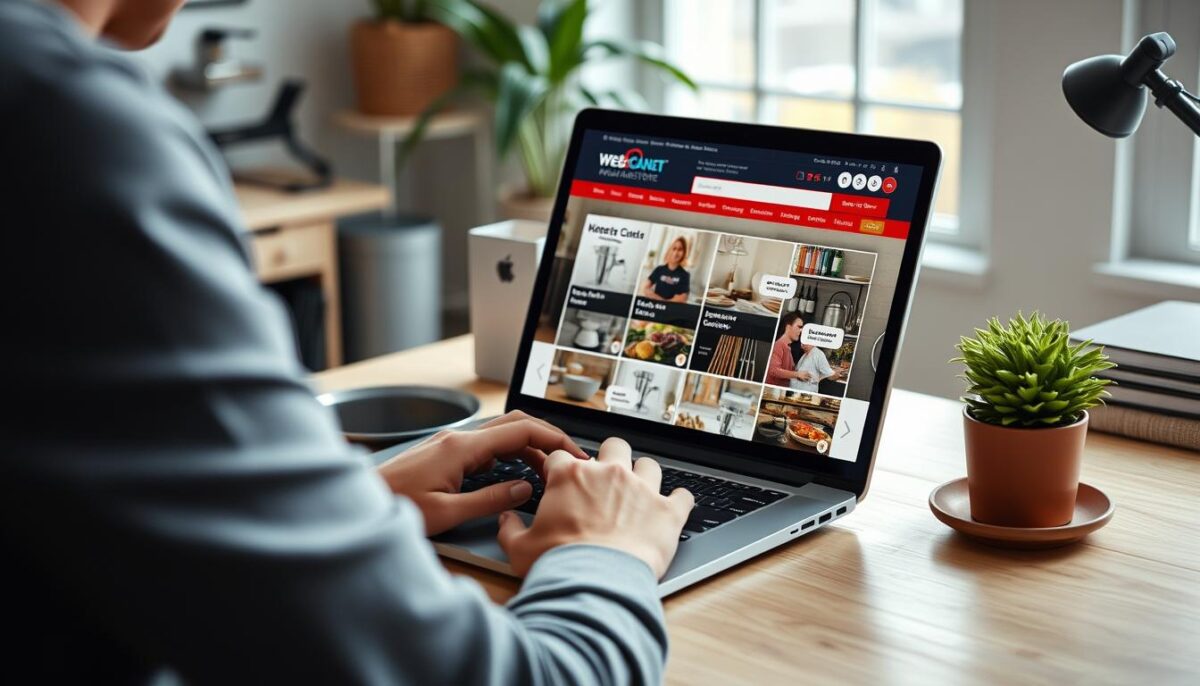
Online retailers like WebstaurantStore offer a vast selection of equipment at wholesale prices, making them an ideal place to start your search. You can find everything from deep fryers to specialized prep tools.
Local Restaurant Supply Stores
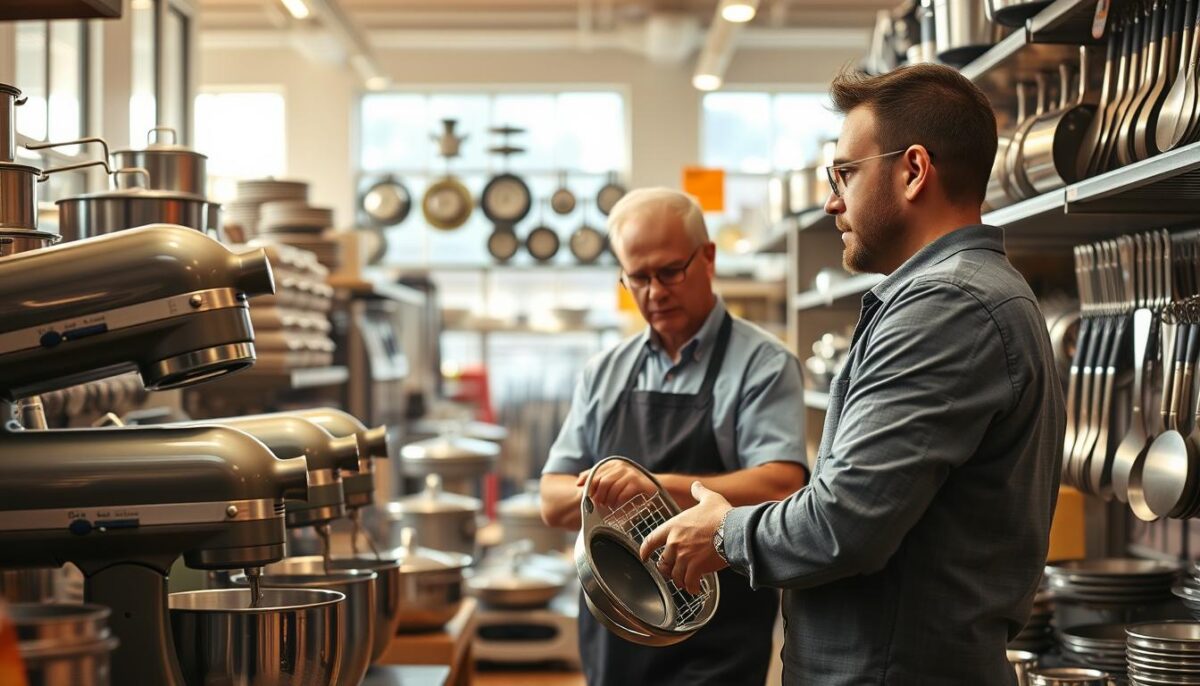
Don’t underestimate the value of visiting local restaurant supply stores. You can see and touch the equipment before purchasing, which helps in assessing build quality and ergonomics.
Wholesale Distributors and Manufacturer Outlets
I’ve accessed significant discounts by purchasing directly from wholesale distributors who supply to larger restaurant chains. Manufacturer outlets also offer new equipment at reduced prices due to minor cosmetic flaws or discontinued models.
Some benefits of working with these suppliers include:
- Significant discounts on bulk purchases
- Access to new and reconditioned equipment
- Potential for building relationships with suppliers for future business needs
By exploring these options and considering various products before making a purchase, you can equip your restaurant without breaking the bank.
Strategies for Buying Restaurant Equipment on a Budget
Buying restaurant equipment on a budget requires strategic planning and smart decision-making. As a restaurant owner, making informed purchasing decisions is crucial to managing costs without compromising on quality.
Timing Your Purchases for Maximum Savings
Timing is everything when it comes to buying restaurant equipment. Many suppliers offer seasonal discounts or clearance sales, which can be a great way to save money. “I’ve found that purchasing equipment during off-peak seasons can lead to significant savings,” says a seasoned restaurateur. By planning your purchases around these periods, you can make sure you’re getting the best deals.
Negotiation Tactics That Actually Work
Negotiation is key when buying restaurant equipment, especially in bulk. Don’t hesitate to negotiate with suppliers, as many are open to discussion. I’ve saved thousands by negotiating better pricing and payment terms. When purchasing multiple pieces of equipment, ask about possible discounts, and make sure to analyze the overall cost to ensure you’re getting the best value for your business.
Bulk Buying and Package Deals
Bulk buying and package deals can be an effective way to save money on restaurant equipment. Suppliers often offer discounts on comprehensive orders, which can lead to significant savings. However, it’s essential to carefully review the package deal to ensure it includes only the necessary equipment. I’ve found that some suppliers offer tiered pricing structures that automatically reduce costs as your order volume increases, making it a cost-effective way to equip your restaurant.
Understanding the True Cost of Ownership
The initial price tag can be deceiving; astute restaurateurs know to look beyond it to understand the true cost of equipment ownership. When purchasing restaurant equipment, it’s crucial to consider not just the upfront cost, but the total cost of ownership over the equipment’s lifespan.
Looking Beyond the Price Tag: Energy Efficiency and Maintenance
A key aspect of understanding the true cost of ownership is evaluating the energy efficiency and maintenance requirements of the equipment. For instance, an energy-efficient refrigerator might have a higher initial cost, but it can lead to significant savings on electricity bills over time. Similarly, equipment that is easier to maintain can reduce costs associated with repairs and downtime.
Calculating Long-Term Value vs. Initial Savings
To make informed decisions, it’s essential to calculate the long-term value of the equipment against the initial savings. This involves considering factors such as depreciation, the impact on food quality, and how the equipment affects overall business operations. By doing so, restaurateurs can identify the equipment that offers the best value over time, rather than just the cheapest option upfront.
By taking a comprehensive approach to evaluating equipment costs, restaurant owners can make smarter purchasing decisions that benefit their business in the long run.
Financing Options for Restaurant Equipment
When it comes to equipping your restaurant, exploring financing options can be a game-changer. As a restaurant owner, you’re likely to need various types of equipment, from commercial ovens to POS systems. Fortunately, there are several financing options available to help you acquire the necessary equipment without straining your budget.
Equipment Loans and Leasing Programs
Equipment loans are a popular financing option for restaurant equipment. They work like traditional loans, with the equipment serving as collateral. You can work with your bank or small-business lenders to set up restaurant equipment financing. Additionally, leasing programs allow you to use equipment in exchange for regular payments, which can be beneficial for managing cash flow.
Creative Financing Alternatives for Startups
For startups with limited credit history or capital, there are alternative financing options available. I’ve helped new restaurant owners explore vendor financing, where equipment suppliers offer payment plans directly. Other options include crowdfunding platforms, equipment financing companies specializing in the restaurant industry, and incubator programs that provide access to shared equipment or subsidized leasing arrangements.
Some other creative financing alternatives include partnerships with investors who contribute capital in exchange for revenue sharing, small business grants for energy-efficient equipment, and rolling financing that allows you to purchase essential equipment first and expand as revenue grows.
Conclusion: Equipping Your Restaurant for Success Without Breaking the Bank
To bring our discussion on budget-friendly restaurant equipment to a close, I’ll recap the essential points to consider for your business. Throughout this guide, I’ve walked you through the process of equipping your restaurant on a budget, from assessing your needs to finding the right financing options. The key takeaway is that strategic equipment purchasing balances immediate budget constraints with long-term operational needs.
Successful restaurants often blend new and used equipment, investing in critical items while saving on secondary pieces. Your equipment choices directly impact your food quality, service efficiency, and ultimately your restaurant’s reputation and success. I encourage you to take time for thorough research and planning before making equipment purchases, as this upfront investment pays dividends through better decisions.
Building relationships with suppliers, maintenance professionals, and other restaurant owners creates a valuable network for equipment advice and opportunities. I recommend creating a long-term equipment replacement and upgrade plan from day one, setting aside funds regularly for future needs. Staying informed about innovations in kitchen technology can give your operation a competitive edge. I wish you success in building a well-equipped kitchen that supports your culinary vision while maintaining financial sustainability.
By following this guide, you’ll be well on your way to making informed decisions about your restaurant equipment, ensuring that your business meets your quality and needs standards. Effective equipment choices will enhance your overall food service, contributing to a positive experience for your customers.
FAQ
What are the most essential pieces of kitchen equipment for a new restaurant?
The most essential pieces of kitchen equipment vary depending on the type of restaurant, but generally include commercial ovens, stoves, refrigerators, and dishwashers. For example, a pizza restaurant may require a pizza oven, while a bakery needs a deck oven.
How do I determine whether to buy new or used restaurant equipment?
When deciding between new and used equipment, consider factors like the equipment’s expected lifespan, maintenance costs, and energy efficiency. I recommend buying new equipment for high-usage items, while used equipment can be suitable for less critical or infrequently used items.
What are some cost-effective ways to acquire restaurant equipment?
To save money, consider purchasing equipment during sales or clearance events, or look for refurbished or certified pre-owned items. You can also explore financing options like equipment leasing or loans to spread out the costs.
How can I ensure that my restaurant equipment is energy-efficient?
Look for equipment with the ENERGY STAR label, which indicates that it meets energy efficiency standards. You can also research the equipment’s energy consumption and compare it to other models to make an informed decision.
What are some common mistakes to avoid when purchasing restaurant equipment?
Common mistakes include failing to assess your equipment needs, neglecting to inspect used equipment, and overlooking long-term costs like maintenance and energy consumption. I recommend creating a comprehensive equipment checklist to avoid these pitfalls.
Can I negotiate prices when buying restaurant equipment?
Yes, you can negotiate prices when buying restaurant equipment. I recommend researching the market value of the equipment, being willing to walk away if the price isn’t right, and asking about any available discounts or promotions.
How do I properly maintain my restaurant equipment to extend its lifespan?
Regular maintenance is crucial to extending the lifespan of your restaurant equipment. This includes tasks like cleaning, lubricating moving parts, and scheduling regular maintenance checks with a professional.